



Choosing the Best Battery for Your Car or SUV
Home Choosing the Best Battery for Your Car or SUV by Differentiating between a good and bad battery is what separates a smooth morning drive from one that leaves you stranded in the driveway. Whether you are taking daily commutes or planning weekend road trips, a car or SUV depends on a power source that can make or break your journey. From powering the engine to keeping other electric parts moving, it is one of the most important components in the vehicle. Yet, many of us often overlook battery performance until it fails us. If you want to ditch this habit, the first step is choosing the right battery and understanding how to choose car battery for your vehicle. Many people also wonder which battery is best for car or which battery is good for car, and the answer depends on your car’s demands, climate, and usage. Car battery selection is not just picking one that fits under the hood; it’s matching specifications with performance needs. Things to Keep in Mind While Car Battery Selection Selecting the right battery for your car or SUV is not as easy a task as it seems. Before you actually get into the process, follow these practical tips from this short car battery buying guide. 1. Understanding Battery Type It is not just one option on the website or store shelf. There can be multiple car battery types, and a vehicle owner should know them all to find the ideal one – especially when you’re unsure how to know which car battery to buy. Here are a few available options: Lead Acid Battery: These are one of the most popular and traditional types of batteries. A lead-acid battery is mostly used in buses, vans, trucks, and even as an SUV battery. It functions mainly through a reaction between lead and lead oxide with electrolyte (which is a composition of water and sulfuric acid). Lithium ion Battery: A lithium ion car battery can be recharged, and that is why it is used in electric motors and portable electronic devices. They have high energy density with a smaller battery size. An electric EV and MUV battery that keeps the vehicle running smoothly and in good condition for years. VRLA Battery: A valve-regulated lead-acid battery has a compact size, is lightweight, and easy to store. These are one of the safest options, offering effective stop-start technology and zero maintenance. 2. Match Size and Spec to Your Vehicle: Before tapping the “buy” button, check the owner’s manual or ask an expert technician to know about the group size that suits your engine. You will learn the right Ah rating and physical dimension for your car battery selection. Oversized batteries may not fit properly, while undersized ones can fail under strain. The wrong size can also reduce the performance of your vehicle or perhaps completely damage it. Livfast offers a smart range of maintenance-free batteries for cars and SUVs with different capacities and warranties. 3. Prioritise Fast Cranking Power: If you need a quick engine start for your car or SUV during chilly winters, look for a car battery that has strong cranking amps. CCA, or Cold Cranking Amps, is the ability of the battery to start your vehicle’s engine in cold temperatures. Therefore, people living in regions with colder climates should look for a higher CCA rating to ensure it remains reliable throughout the season. Livefast fast batteries feature: Fast cranking performance Zero vehicle battery maintenance Robust, vibration-resistant construction tailored to Indian roads and conditions.With this, your car or SUV has smoother ignition, less strain, and a battery that adapts to real-world driving. 4. Durability That Handles Real Roads Your battery needs to take hits—literally. Livfast uses: Calcium alloy grids, Controlled Silver (Ag), and Bismuth (Bi) for better conductivity and longer life Robust design for high-vibration environments, especially important for Indian terrainTranslated: your battery lives longer, starts smoother, and stays reliable when things get bumpy. 5. Look for Long Period Warranties: Battery longevity is more than its structural build. A battery’s warranty period is in itself proof that the brand is committed to offering durable quality and high-performance solutions. So, before making a car battery selection, check if it provides warranty support – a key highlight in any car battery buying guide. Opt for the one with longer periods if you live regularly or in harsh conditions. The right warranty plan offered by the brand can give more peace of mind and confidence on the road. For example, Livfast stands out with its great battery warranty for a series of products: DuroEdge 36 + 36 months DuroElite 30 + 30 months DuroLife 18 + 18 months DuroTaxi variants Up to 18 + 6 months Final Word: Make Starting Simple Again Shopping for the right battery shouldn’t seem like a task. With Livfast, you get a reliable, ready-to-go option designed for bumpy Indian roads, from compact cars to SUVs. Their range is engineered for: Strong starts Zero maintenance Prolonged life backed by a solid warrantyIf you’re looking for durability, easy upkeep, and long-term reliability, Livfast’s automotive line delivers – helping you confidently decide which battery is best for car based on your needs. Related Blogs Fixing a Dead Car BatteryCar Battery Life TipsCar Battery Replacement SignsTypes of Automotive Batteries FAQ’s General Do car and bus batteries come with different maintenance requirements? Absolutely. It’s not one size fits all. Check the specific maintenance requirements of the model you are purchasing. Some batteries are completely maintenance-free, while others may require periodic checks to keep them going. For example, Lifetech batteries are made to reduce water loss, which makes them durable and maintenance-free. Is this Helpful? Should we change the car battery as per the weather? Not if you are investing in a good quality battery that gives performance through all weather and seasons. Go for batteries built with corrosion-resistant alloy that could withstand harsh climatic conditions. Is this Helpful? What does RC mean in vehicle batteries? RC translates to Reserve
Benefits of Solar Charge Controllers for Off-Grid Systems
Home Benefits of Solar Charge Controllers for Off-Grid Systems by Source: Freepik When setting up an off-grid solar system, we mostly focus on panels and batteries, but there is one element that often goes overlooked. The solar charge controller. It is one of the most important parts of a solar power system that allows people and organizations to generate their electricity. Becoming an increasingly popular component today, it is a helpful add-on to the solar power management that keeps it running smoothly and in harmony. And for people using Livfast’s solar solutions, you are already tapping into some of the smartest features available. Let’s get into the details and know about maximizing battery life with charge controllers, their benefits, types, and more. What Is A Charge Controller Actually? Also known as a solar charge regulator, a charge controller is the main component of any off-grid solar energy system. It basically manages voltage regulation, balancing the flow of energy between your solar panel and battery bank. Without it, the system can overcharge, over-discharge, or simply waste useful solar energy. This imbalance reduces the overall lifespan of batteries. In an off-grid system, where energy matters the most, a solar charge controller ensures the setup is efficient, safe, and long-lasting. How Solar Charge Controllers are Important for Off-Grid Setups Here’s how a charge controller provides energy efficiency and boosts the operation of an off grid solar system, helping users truly understand the benefits of solar charge controllers: 1. Protecting Battery from Overcharging: The goal is not to attain full solar battery charging for your system. Because that is a silent battery killer that not only shortens its lifespan but also wrecks the performance. The Livfast solar charge controllers are powered by advanced microcontroller-based PWM technology. They are designed to optimise the charging process and safeguard the health of your battery during long hauls. Moreover, these solar controllers also manage sulphation, which is a build-up that degrades batteries made of lead-acid. It is smart gravity-builder functionality that restores battery health, giving you more bang per battery cycle. 2. Versatile Compatibility: Whether you are working with a small 12V off-grid setup or a larger one of 48V arrays, Livfast controllers are available for specialised needs. Our range of solar charge controllers can auto-sense and let you manually select the right system voltage — 12V, 24V, 36V, or 48V. Meanwhile, the amp ratings can go up to 50 A, and panel power handling ranges between 1800W and 3600W. Need more flexibility with your off-grid system? Plug in the USB devices directly, charge your phone, run a fan, or power a light. 3. Built-In Safety for Peace of Mind: Sunlight may come free of cost, but safety is beyond a price tag. Most of the Livfast solar charge controllers integrate protection features, including: Short-circuit protection Reverse current safeguards Polarity-resistance No-fuss MCB (Miniature Circuit Breaker) on inputs/outputsThese safety features are designed to protect your system from miswiring and sudden voltage spikes. 4. System Control with Advanced Features: Sometimes, off-grid systems can face mismanaged grid access or erratic conditions. However, when infused with a smart solar controller, it can tackle uninterrupted power efficiency. These are the advanced features available in them: Priority Mode/USP Mode: Batteries stay in service even during voltage fluctuations and grid outages. When solar energy is not available, it switches mode intelligently. Pure-Sine Wave Output: An advanced integration that keeps electricity clean and undistorted, which makes a happy place for sensitive gadgets. No noise, no fuss. Overload Handling: The Livfast off grid setups with solar chargers boast up to 200% overload capacity. Thus, high loads from heavy appliances and startups don’t trip your system. Types Of Solar Charge Controller Mainly, there are two types of charge controllers, highlighting different technologies and features. These are: 1. Pulse Width Modulation Controllers (PMW): These controllers are an affordable solution that regulates the voltage by slowing down the amount of current going into the battery once fully charged. A (PWM) charge controller prevents the battery from overcharging. Key Features A straightforward and simple to use controller that is suitable for small and medium-sized solar systems. They are available in a more cost effective range, which individuals of all budgets can buy. PWM controllers are designed for gel and acid lead batteries that do not require frequent maintenance. 2. Maximum Power Point Tracking Controllers (MPPT): An MPPT charge controller is made from advanced algorithms that keep track of the optimal power point (MPP) and adjust the voltage and current of the solar panel to improve the transfer of energy to the battery, highlighting the advantages of MPPT charge controllers. Key Features 30% higher energy conversion efficiency than the PWM. The MPPTs can be used for a wide range of solar panel types or sizes, making them a versatile choice. They can withstand variations in both environmental conditions and solar panel orientation, helping increase energy efficiency. Conclusion With the Livfast solar charge controller, you get a solution that is smart, efficient, and built to create safer and more reliable living spaces. If you find it difficult to buy solar chargers that match your specific needs, our expert team is ready to assist whether you want help locating the nearest Livfast dealer, need technical guidance, or have product-related questions. Plus, our charger controls come with a 1-year warranty, offering complete peace of mind and highlighting the many benefits of solar charge controller technology for your home. Related Blogs Solar Grid-Interactive SystemsSolar Management Unit BenefitsHow Solar Panels WorkSolar Inverter Installation Benefits FAQ’s General Do solar charger controllers come with automatic voltage selection? Yes. Advanced solar charge controllers are equipped with voltage selection that allows you to adjust based on your needs. Livfast automatic solar charge controllers let you adjust up to 20A and up to 50A with manual adjustment. Is this Helpful? How to maximise the battery life of solar charge controllers? To increase the lifespan of your solar charge controllers, avoid keeping them deeply discharged for long. Keep them in a

How to Pick the Right Bus Battery: Essential Tips for Fleet Owners
Home How to Pick the Right Bus Battery: Essential Tips for Fleet Owners by Source: Freepik Managing a fleet of buses? That’s no easy task! You would want your buses to perform at their optimal level to ensure success in your business. For that high performance, your bus needs the correct power, and that’s where our bus battery guide will help you in finding the right bus battery! Finding the best bus battery will require you to consider some important factors and advance features. Let’s get into the details! Factors to Consider When Picking the Right Bus Battery Whether you are buying a new battery or looking for a bus battery upgrade, here are the factors to keep in mind when learning how to choose bus battery for optimal performance and reliability. Vehicle Specifications and Application Different buses require different energy requirements. Before buying fleet battery solutions, consider your vehicle’s voltage requirement, size, and mounting configuration. A compatibility mismatch can lead to poor performance or issues. Also, consider the nature of the routes your buses cover. Highway runs may call for higher reserve capacity, whereas local runs may be more concerned with rapid starts and high resistance. Battery Types Mostly lead-acid batteries are used in commercial vehicles because of their reliability and cost-effectiveness. On the other hand, heavy-duty, higher-end batteries offer longer discharge times and improved performance and are more expensive. Your choice will have to weigh initial investment against anticipated performance and lifespan. Quality of the Battery Case The battery case shields the inside parts from shocks, vibrations, and varying temperatures. A cracked or weak case can cause acid spillage, starter motor troubles, and even safety risks. Always select a bus battery with a strong, vibration-resistant case built for demanding driving conditions. Climate and Environmental Conditions Batteries tend to respond differently in varying climates. More Cold Cranking Amps (CCA) batteries are needed in cold climates to ensure consistent starts during cold weather. In hotter climates, the battery must be able to withstand extreme heat without compromising performance. It is of most concern to match your electric bus battery choice to your local climate conditions to guarantee reliability. Reserve Capacity (RC) The Reserve Capacity shows the time a battery will supply power until its voltage drops below the minimum value. For long-service-life buses or buses with heavy electrical loads (such as AC systems and lights), an increased RC value is crucial, helping fleet owners determine which battery is best for bus applications and ensuring undisturbed operation even under stressful conditions. Durability and Longevity Constantly replacing batteries is expensive and inconvenient. Select a bus battery designed for life-long performance. Although conventional lead-acid batteries are inexpensive, higher technology batteries can pay off in the long term by minimising maintenance and replacement requirements. Voltage, Amps, and Weight Proper voltage and amp rating ensure the proper functioning of your bus’s electrical system. Amp ratings are normally higher in larger vehicles, which provides stronger starting power. Do not forget to consider the battery weight when selecting a commercial vehicle battery. Lighter batteries make it easy to install and replace, and that saves money and time in the long term. Warranty and Reliability A long, reliable warranty provides peace of mind and adds to the confidence in the product. When selecting bus batteries, look for longer warranty periods. These will offer more reliability and long-term consistency in performance. Features to Consider in a Bus Battery These 5 key features will make it easier for you to decide which battery is best for bus: Quick Start Power Superior grid design and plate chemistry provide quick cranking, allowing buses to start efficiently even in harsh climates. Low Maintenance Future-proof bus batteries lose less water through hybrid systems and alloy composition, requiring less frequent maintenance and decreasing operating hassle. Heavy-Duty Performance Designed to handle rough roads and tough driving conditions, heavy duty battery solutions provide smooth power on highways, urban routes, or construction sites. Long Life A robust grid design and double-clad separation are responsible for increased durability, longer life, and less downtime, enabling fleet owners to keep costs under control. Higher Vibration Tolerance Particularly significant for use on rough or uneven roads by buses, the vibration-resistant battery provides stability, safety, and longevity. March Your Feet with Livfast’s Premium Heavy-Duty Bus Batteries Livfast brings reliable and long-lasting bus batteries designed for heavy-duty performance. Our batteries provide quick starts and high endurance. Made to be low-maintenance and for the tough roads, our batteries offer consistent power for long journeys. Choose from our DuroTruc and DuroTruc Pro batteries, and power your feet to perform at their best! Conclusion The selection of a bus battery should be based on sufficient research and evaluation of requirements and features. The correct choice will show lower downtime, increased efficiency, and reduced costs in the long run. When you take the vehicle’s specifications, the climate conditions, and battery features into consideration, you can make the best choice. Don’t forget to look for the warranty details, as the warranty adds another protective layer to the purchase. Related Blogs Best Car or SUV BatteryTypes of Automotive BatteriesTwo-Wheeler Battery Life TipsCar Battery Replacement Signs FAQ’s General How do I optimise the lifespan of my bus battery? The life of batteries can be prolonged by regular maintenance, avoiding over-discharging, proper charging, and picking batteries appropriate to your environment. Is this Helpful? How is the cost of bus batteries different? The cost of bus and truck batteries varies on the basis of a number of factors, including battery type, capacity, and make. Livfast offers competitive pricing and provides incredible value for advanced features. Is this Helpful? How does climate influence bus battery performance? Cold temperatures necessitate superior CCA ratings for dependable starts, while warm climates need batteries that can withstand high temperatures without being harmed. Is this Helpful? How do I optimise the lifespan of my bus battery? The life of batteries can be prolonged by regular maintenance, avoiding over-discharging, proper charging, and picking batteries appropriate to your environment. Is
A Detailed Guide About How Solar Panel Works and Its Key Components
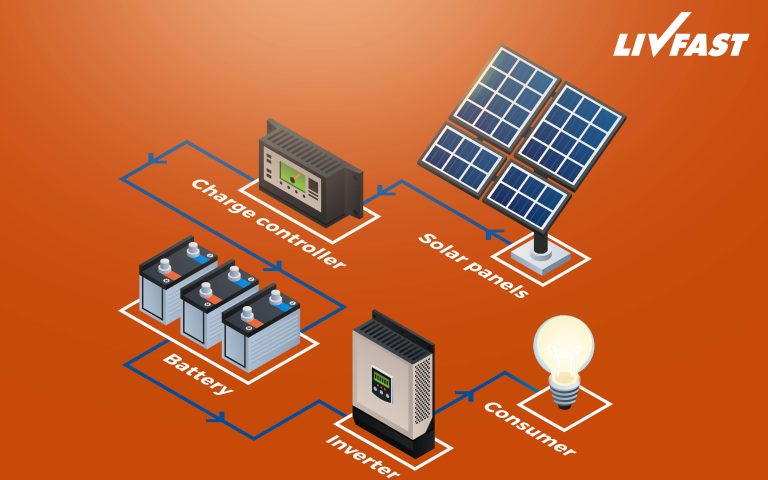
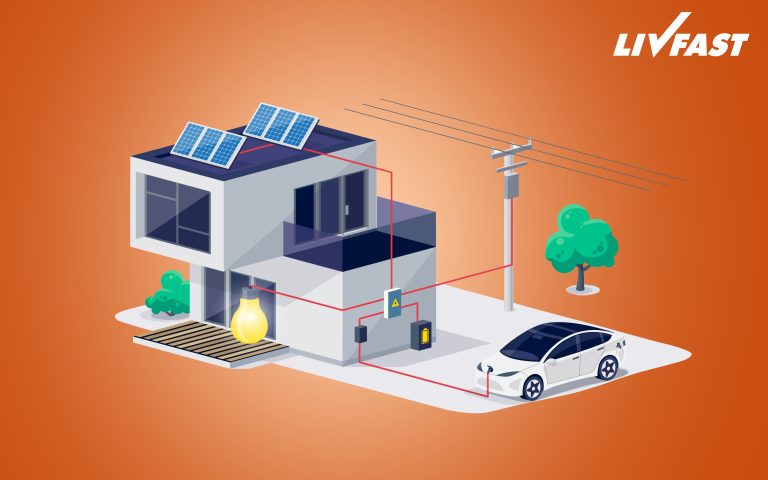
Home A Detailed Guide About How Solar Panel Works and Its Key Components by Did you know that surveys suggest that around 250 million Indian houses can install solar panels on their roofs, generating over 637 Gigawatts (GW) of electricity? However, not many have explored the potential. We have so far only 8.5 lakh households that have installed rooftop solar connections. Maybe it’s the myth and mystery surrounding solar energy that causes people to shy away from its usage. Through this blog, you can learn how solar panel works, their key components, life-changing advantages and some helpful tips to help you keep your solar panel safe. Explore Different Components of a Solar Power System A solar power system consists of multiple components, each connected to perform a specific function. Learning more about the components will help you understand all about solar panels and how they work: Solar Panels To know how does a solar panel work, you have to get familiar with its main components, the solar panel. These are the visible parts of the power system that absorb sunlight. Solar panels are made of smaller solar cells. Inverter Every energy source needs an electrical component that can help convert DC to AC voltage and offer stable power to your appliance. An inverter does this job in a solar energy system. Having an efficient inverter will help lower energy wastage and your house bills. Mounting System A mounting system is used to place the solar panel to offer a customisable and sturdy structure. You can tilt the panel for maximum coverage and make sure it stays safe in different weather conditions. Source – Freepik Solar Batteries A battery is necessary to ensure power output during the night. It stores the energy during the day and saves it for any emergency requirement at night. Pick the correct voltage and power capacity to ensure an optimal power outage and smooth performance. How Does Solar Panel Energy Work Let’s finally put your curiosity about how solar panel works to rest. Here’s a simple step-by-step guide to help you understand how the sunlight is converted into electricity to help you run your TVs, lights, laptops and more: Step 1: Sunlight Absorption The solar panels are planted on the top of the roof, where there is ample sunlight during the day. When the sun starts to shine bright and hits the panels, they absorb the sunlight. These photovoltaic cells are crafted using semiconductor materials such as silicon, which helps boost the absorption process. Step 2: Activation of Electrons When the photons in the sunlight are absorbed by the cells, they excite or activate the electrons, causing them to flow freely. With proper wiring and a system, these electrons start to generate the flow of direct current electricity that is passed through a connecting wire. Step 3: Conversion of DC to AC Now, once the flow of DC energy is created, it is passed into the solar inverter. Now, the inverter, just like with every other energy source, such as batteries and cell fuels, starts to convert DC into AC electricity. It does that by rapidly closing and opening transistors. This AC electricity is now suitable for your household consumption and can run your daily appliances. The inverter also stabilises and regulates the voltage as per your house’s needs. Step 4: Storing Excess Power One of the key benefits of any solar energy system is the ability to store the excess power supply. You need a compatible solar battery to store your energy, so that you can use it in case of power cuts at night. However, another point in the guide about how solar panel works, if you are connected to a grid-tied system, the excess energy is sent off to the grid. This ensures minimal wastage and can earn you some rewards depending on what your utility company offers. A net meter can be installed to calculate any excess electricity sent off. Factors to Consider Before Installing a Solar Energy System at Home Now that you have a good knowledge of how solar panel works, you can use them to invest in a solar plant that fits your needs. However, before you start looking for options, here are some key factors to keep in mind when installing a solar energy system at your home: Calculate Your Energy Needs List down all the heavy appliances that you are planning to run on your solar plant and calculate the total energy required. Energy is calculated in kWh (kilowatt-hours). Compatible Components Rather than buying each component, such as the solar inverter, panels and battery separately without any compatibility with each other, opt for a holistic approach. Check the maximum power required, storage needs and voltage to find the perfect system. The Placement Make sure to install your panels in an area with maximum sunlight coverage. Avoid any trees and shadows from tall buildings. Fulfill All Regulations and Permits Ensure all local permits and licenses are fulfilled before installing the plant. You can also check for any tax credits or government rewards available for solar plants. Conclusion With ever-changing policies and global focus on cleaner energy, it’s high time we shift towards solar energy systems for our homes. You can enjoy lower electricity bills and no tension caused by untimely power cuts. However, to make sure that you enjoy the full benefits of an ideal solar energy system, it is crucial to understand how solar panel works. Green Energy, Green Future! Related Blogs Advantages of Solar PanelsDo Solar Panels Work at NightSolar Grid-Interactive SystemsBenefits of Solar Charge Controllers FAQ’s General How can I choose an ideal solar panel? When choosing a solar panel, consider its compatibility, performance in low-light conditions, energy efficiency, and all-weather protection features. Is this Helpful? Do I have to clean my solar panels regularly? Regular cleaning of solar panels will help keep the surface clean from dust, leaves and oil, hampering the absorption process. Proper maintenance and cleaning will improve the performance
Does Solar Panel Work at Night? Here’s What Really Happens
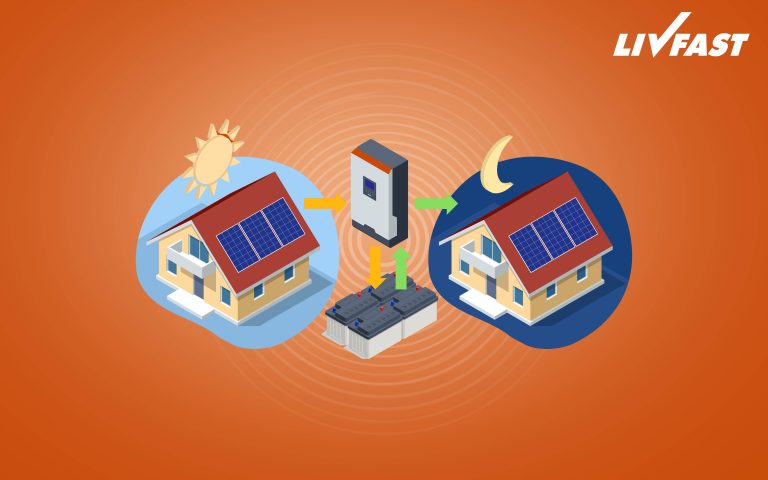
Home Does Solar Panel Work at Night? Here’s What Really Happens by Question: Does solar panel work at night? Take the direct answer: NO! You can guess that by their name itself, solar energy systems really get going when the sun is out. These solar panel systems are solely dependent on sunlight. Sun’s rays fall onto the panels, and then there is a conversion of light to electricity. Our household systems use this energy to run various appliances. Well, that doesn’t mean that you will have to rely on lanterns or candles despite having set a solar panel system on your rooftop or field. Good news: With a little backup, your solar panels can light up your home, even when the sun calls it a night. So, how can solar panels work at night, even when they are not producing any electricity? Let us see how they can be used to power your home at night. Does Solar Power Work at Night? The answer to the question does solar energy work at night needs a bit of explanation. Solar panels use an effect called the photovoltaic (PV) effect. In this effect, sunlight is used to generate electricity. Basically, the process goes as follows– Photons (particles present in sunlight) hit the surface of the solar cells The panel electrons are freed up This creates a flow of electricity while the sun is shining The story will come to a halt at night because there is no sunlight and, hence, no photons available to hit the panels. Moonlight lacks the intensity to trigger the photovoltaic effect. You must have the conceptual clarity that solar panels do not work at night all by themselves. But we have noticed solar panel companies promising electricity even at night. Source: Freepik How do you get electricity at night? Most solar-powered homes or buildings use either of the following: 1. Solar Battery Storage During the day, solar systems often generate more power than needed. This excess energy is stored in solar batteries. At night, when panels are inactive, the stored energy powers your home. This setup even enables some homes to go off-grid. 2. Net Metering Net metering connects your home to the utility grid through a bi-directional meter. It tracks the excess electricity you send to the grid during the day and gives you credit. At night, when your solar system doesn’t produce power, you draw electricity from the grid using those credits. Therefore, 24/7 power availability. Stanford’s Night-Time Solar Discovery – What It Means for Homeowners Some researchers at Stanford University did an experiment on solar panels to check whether they can collect thermal energy from the solar panels at night. They retrofitted a solar panel for the purpose. The solar panel could produce 50 milliwatts or 0.05 Watts/square meter of power generation at night. This is a discovery, yet it is not practically feasible for homeowners. Homeowners are, therefore, left with two parts that enable rooftop solar panels to function even when they fail to generate electricity at night. A battery storage Net metering In fact, most solar systems are designed to shut down at night, as the power generated isn’t sufficient to be useful or stored efficiently. So, moonlight won’t keep your appliances running—but your battery storage or connection to the grid will. Myths vs. Facts: Can Solar Panels Power Homes 24/7? Myth Fact Solar panels can generate electricity even at night. Solar panels need sunlight to work. They don’t generate power at night. Moonlight is strong enough to power solar panels. Moonlight is reflected sunlight and is too weak to activate the photovoltaic effect. You will lose power at night if you’re on solar energy. With battery storage or net metering, you can access power even after the sun goes down. Solar panels can directly store energy. Solar panels generate electricity, but storage requires separate batteries or backup systems. Once installed, solar systems always work independently. Most systems are grid-tied unless specifically designed for off-grid use with storage. Anti-solar cells are already available for home use. Anti-solar cell technology is still in the research phase and not available commercially. Solar power can completely replace traditional electricity everywhere. It depends on location, system size, energy needs, and storage capacity. Not one-size-fits-all. Power Your Home or Business With Livfast Solar Solutions At Livfast, we understand your need for electricity 24/7. The need that keeps you speculating a nagging question is, ‘Do solar panels work in the night?’ We bring in reliable and super-efficient solar photovoltaic panels for your home and business that will be able to provide electricity even at night or on cloudy days. We offer: Positive power tolerance Performance in low light by capturing maximum solar energy during sunlight hours Durable for extreme weather conditions (wind loads of up to 2400 Pa and snow loads of 5400 Pa) Potential-Induced Degradation (PID) resistance technology Our cost-effective solutions allow long-term savings and a greener future. Wrapping Up Now you know the clear answer to ‘Does a solar panel work at night?’. The sun sets, but your home doesn’t have to power down. You can use the stored units of energy collected during the light hours during the dark hours. So, go green with the best solar panels that are fruitful for your home’s and business’s electricity requirements. Related Blogs Advantages of Solar PanelsHow Solar Panels WorkSolar Grid-Interactive SystemsSummer Solar Power Benefits FAQ’s General Do solar panels work in the moonlight? Yes, they do work in the moonlight. We know that moonlight simply reflects sunlight, and solar panels can use it to produce electricity. But compared to what you get during the day, the production is essentially nothing because the intensity is so low. Is this Helpful? How do solar panels work at night? The solar panels soak up all the solar energy they can during the daytime. This solar energy is converted into electrical energy and stored in solar batteries with the help of a charge controller. This stored form of electrical energy
Sine Wave Inverter vs Square Wave Inverter: Know the Difference
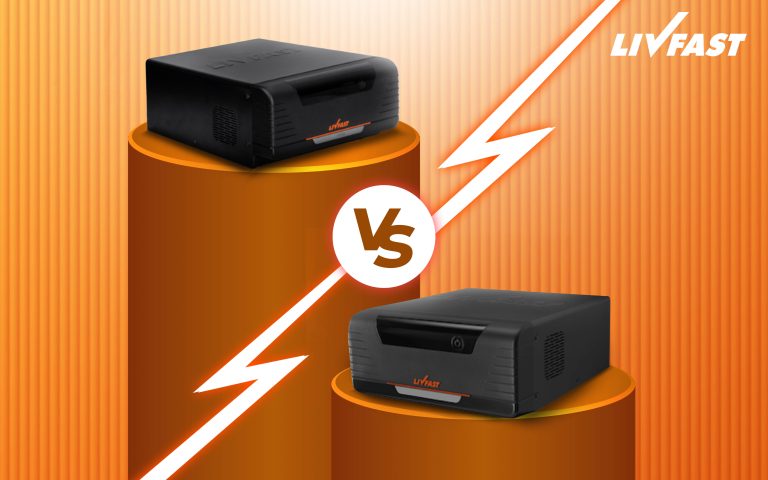
Home Sine Wave Inverter vs Square Wave Inverter: Know the Difference by Ever experienced that dramatic, slow-motion dimming of lights followed by the sudden, plunging darkness? Yes, that’s what happens when your neighbourhood power grid decides to take an unannounced leave. If you plan to purchase an inverter to keep your lights on when the power goes out, great idea! But is the inverter market troubling you with technical terms? We’ve got you covered. When you set out to buy, you will find two main types: sine wave and square wave inverters. It might sound a bit technical, but we’ll simplify it for you. Think of it this way: your home appliances are used to getting power that flows smoothly, like a gentle wave. That’s what a sine wave inverter provides. A square wave, on the other hand, delivers power in a more abrupt, “on-off” fashion. This sine wave inverter vs square wave inverter clarity will help you choose which one fits best with your appliances, and how the power is delivered has a big impact on how your appliances will work. So, read on to learn the actual differences and ease your decision-making journey. What is a Sine Wave Inverter? The first step to understanding a sine wave inverter vs square wave inverter is to know each individually. A sine wave inverter generates smooth and consistent power. It replicates the power you get from your utility company. In other words, it is the same kind of power you receive from a wall outlet at your place. It provides a clean and consistent flow of electricity. So, these inverters are ideal for electronic equipment that needs a constant flow of power. In technical terms:How does it works? Sine wave inverters convert Direct Current (DC) from a battery to Alternating Current (AC). They produce a smooth, sinusoidal waveform that matches the power supplied by the grid. They have a complex design that often comes at a higher price. Key Perks of Sine Wave Inverter They are better at managing surges in power, so there is a low chance they would cause appliance damage. They offer smooth and noise-free operation. Their clean power reduces stress on electronic components and thus extends lifespan. What is a Square Wave Inverter? Instead of a smooth, flowing wave, a square wave inverter produces a jagged, block-like power wave. It produces a change between positive and negative voltage. It’s the simplest and most basic way to convert battery power to AC power. Square wave inverters are usually used to support motor appliances and equipment that are not sensitive to the waveform, such as lights, fans, and some motors. In technical terms: How does it works? They essentially switch the DC (Direct Current) from your battery directly to AC (Alternating Current) in a very basic way with a square-shaped waveform. It is characterized by sharp rises and falls at right angles. Square wave inverters use simple circuitry that often makes them relatively inexpensive. Key Perks of Square Wave Inverter Their simple design makes them robust. They are a little less expensive. They are easy to maintain. Square Wave Inverter vs Sine Wave Inverter: Key Differences With an idea of the definitions, the following table of comparison will give you a fair idea of choosing a sine wave or square wave inverter: Feature Square Wave Inverter Sine Wave Inverter Waveform Output Abrupt square-shaped wave Smooth, natural sine wave (like grid power) Appliance Compatibility Suitable for basic devices (fans, lights, etc.) and those that are less sensitive to waveform distortion. Compatible with all appliances, including sensitive ones Performance May cause noise and heating in appliances Silent, smooth, and efficient performance Power Efficiency Moderate efficiency High efficiency and better load handling Cost Budget-friendly Higher cost, but offers value Noise Level Produces humming sounds in some appliances Operates silently Ideal For Small homes, basic setups and budget-conscious users Modern homes, offices, and sensitive equipment setups Sine Wave vs Square Wave Inverter Which is Better As evident from the comparison of sine wave vs square wave inverter, sine wave inverters are more expensive than square wave inverters. However, they offer a reliable and consistent power supply. So, for a place with sensitive appliances or electronics, or if the power fluctuations bother you, a sine wave inverter is a suitable option. Moreover, if your choice centres around ensuring that your appliances are absolutely safe, it is best to invest in a pure sine wave inverter. You will be able to enjoy noiseless operations, long life, as well as save money on monthly electricity bills and the depreciation of appliances. On the other hand, square wave inverters are more budget-friendly. They are sufficient for basic appliances like fans, lights, or older devices that are not sensitive to waveform quality. If you have minimal power needs or are located in areas with stable electricity, square wave inverters come across as a cost-effective solution. Meet Your Requirements with Livfast’s Sine Wave or Square Wave Options At Livfast, we understand that every home and business has unique power needs. That’s why we offer a range of both sine wave and square wave inverters. For instance, our Livfast FCS 1125+ is a sine wave inverter, while the Livfast Bolt 775 is a square wave inverter. Both are crafted for high performance. These models are ideal for households or offices where sensitive electronics like laptops, smart TVs, refrigerators, and medical equipment are frequently used. They come with: Pure sine wave output for enhanced compatibility Faster charging and longer battery life Reduced humming and heat generation For those looking for an affordable and efficient solution for powering basic appliances, Livfast square wave inverters are the best choice. Our models offer: Reliable performance without stretching the budget Power for basic appliances and low-load usage Compact and user-friendly designs Efficient charging in low-voltage conditions Wrapping Up Now that you know the intricacies of a pure sine wave inverter vs square wave inverter, proceed to making the right purchase that fits your lifestyle.
Parts of Inverter
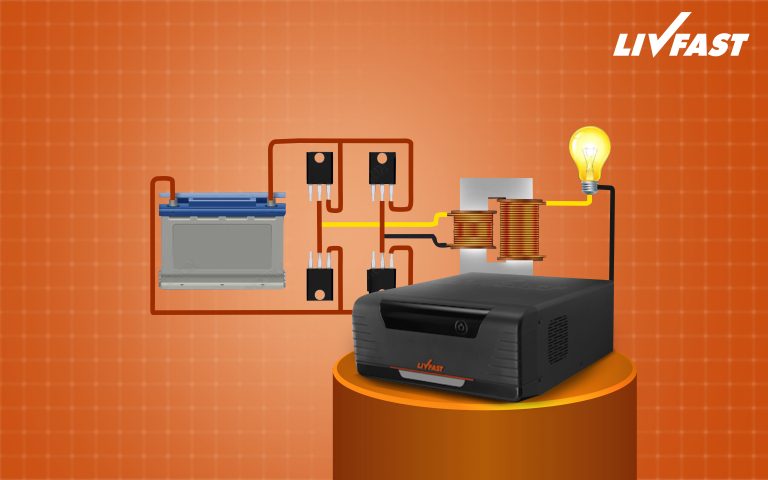
Home Parts of Inverter by Is the device that protects you from scorching heat in summers and lights the home during a power cut facing issues in delivering its functions? One of the tricky aspects in such scenarios is ensuring repair without making a big hole in the pocket. To achieve this, either you must be a technician yourself or someone at home. Alternatively, basic awareness about the parts of inverter can also do the needful. So, to ease your dilemma in such a situation and safely get you out of it, we bring to you a detailed guide on power inverter components. Just scroll and enlighten yourself. Components of an Inverter Let’s understand the inverter all parts name and functions: DC Input This one, among other parts of inverter, receives DC power input from the inverter battery or power source. It further comprises parts like input connectors, input protection circuitry and others. Output Terminal The output terminal delivers the converted power from the inverter to the connected devices. It comprises an output connector, output protection circuitry and others. Microcontroller It is one of the key power inverter components due to being responsible for switching signals as per the appliance’s power requirements. The microcontroller acts as the power source by converting AC to DC, which charges the battery. The further usage of the power is determined by the presence of an automated sensor and relay system, where the latter turns the inverter on in the absence of power from the main source. There are various types of microcontrollers, such as AVRs, Atmel, PIC microcontrollers, 8051 microcontrollers, Arduino and others. Bipolar Junction Transistors These are the three-layered devices managing the current flow to the inverter. They can also amplify the current and be used as switches, relay drivers and others. The Bipolar Junction Transistors or BJTs can have any of the two configurations, pnp or npn. They comprise emitter, collector and base, where the arrangement of these components defines the type of BJT configuration. Heat Dissipation System The operation of an inverter is accompanied by heat generation. Effective dissipation is necessary to avoid damage to the components of an inverter. Hence, inverters comprise a cooling system such as cooling fans, heat sinks or liquid cooling systems. Filters These act to select among the variety of available frequencies to allow passage of the right frequency. The filters are of different types, such as: Low pass filter that prefers the passage of low-frequency signals compared to high-frequency ones. LC filters are a low-pass filter that comprises an inductor, a capacitor and a load. RC filter comprises a resistance and a capacitor. Transformers These are present in a few inverter designs, including grid-tied inverters. Transformers step up or down the electrical voltages to ensure the output voltage is the same as the mains or grid voltage. They reduce electrical noise while also providing safety. Capacitors They serve the function of energy storage and filtering. Capacitors manage the voltage level by filtering the high frequency. They are of two types, electrolytic and film capacitors. The electrolytic capacitors find application in bulk energy storage and film capacitors find application in high-frequency filtering. MOSFETs Among inverter all part names, Metal Oxide Semiconductor Field Effect Transistor or MOSFETs deal with voltage control. They also switch off the signals due to their high speed. MOSFETs in an inverter can be one of the two types, depletion or enhancement type. H-Bridge It refers to the topology integrating the two elements of the inverter in a single circuit. These elements are BJTs, MOSFETs or IGBTs. H-bridge functions to switch the voltage polarity applied to a load. Protection Circuit This one, among other power inverter components, is associated with imparting protection to the inverter. It protects from abnormal conditions such as short circuit, overload, overvoltage, overcurrent and others for proper functionality of the sensitive parts and interconnected equipment. Display Panels or Indicators These are the information displaying parts of the inverter. They state details like operational status, battery level, any errors or other such information. They also assist in diagnosing the faults in the inverter. Precautions for Using an Inverter If your inverter is working perfectly, here is how to ensure it remains running in such a manner for long. The precautions and best practices to focus on: Installation and Placement Necessarily follow manufacturers’ guidelines, presented in the manual. Do give it a read and understand the optimal method of usage. Not adhering to the same can compromise warranty status, leading you to pay hefty amounts for any issues. Place the inverters in a properly ventilated area to ensure proper dissipation of the heat Also, the location of the inverter placement should be flat Keep the inverter away from chemical exposure and water connections Electrical Safety and Usage Avoid connecting and running high power appliances with the inverter. Check the permissible power rating before connecting the devices Ensure terminals are correctly and tightly connected Avoid connecting the inverter to a generator Battery Maintenance Regularly clean the battery terminals and ensure they are not corroded Ensure proper maintenance of electrolyte level in lead acid batteries and fill in the distilled water if required Get the Superior Quality Inverters at LivFast Long life with unwavering quality, that’s what the definition of superior quality of inverters is. At LivFast, we have designed our devices to match your expectations. With a variety of options to choose from, the inverters can be easily bought online. Scroll through the wide range of inverters loaded with advanced features. The long warranty further speaks about the confidence in our offerings. The availability at affordable prices ensures it fits into the requirements of every home. Wrapping Up Knowing the inverter parts name and functions helps gain an idea about the importance of different components of an inverter. You get to make informed decisions when dealing with malfunctions of the device. It also contributes to troubleshooting and in making a choice when purchasing a new one. If you are looking for
Difference Between Lead Acid Battery and Lithium Ion Battery
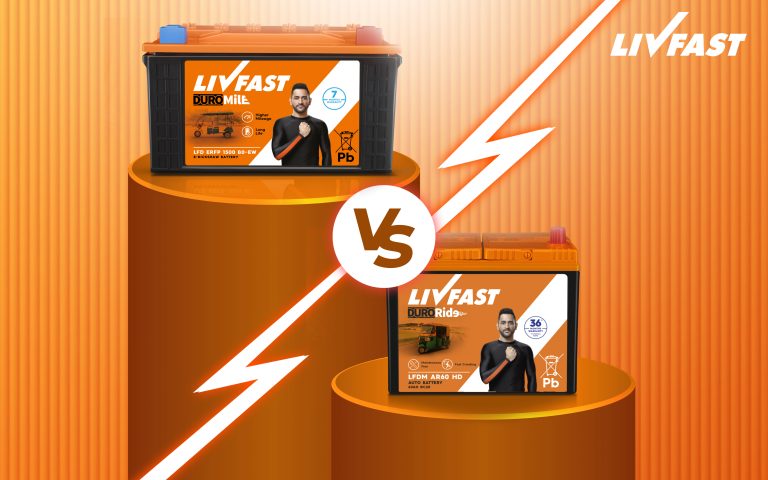
Home Difference Between Lead Acid Battery and Lithium Ion Battery by People have a hard time deciding between the two main battery options. There is a lot of talking going on on social media about the good and bad points of each type. After seeing such content, you might think that they are promoting one of the two; hence, you feel a need to learn more to conclude. The blog gives an honest comparison that is explained in easy terms. Let us explore the main difference between lead acid battery and lithium ion battery. What is a Lead Acid Battery? Before moving on to the difference between lead acid and lithium ion batteries, let us know what they are individually. One of the earliest and most widely used rechargeable batteries is the lead-acid battery. Vehicles, UPS systems, and backup power setups all use it. This battery, which stores and releases energy using lead plates and sulfuric acid, is well-known for being reasonably priced and dependable. It is the most appealing option when money is tight and routine maintenance is feasible. In technical terms: How does it work? Lead-acid batteries work by converting chemical energy into electrical energy. They use lead dioxide and sponge lead plates immersed in sulfuric acid for this conversion. When they discharge, a chemical reaction generates electricity. This process reverses during charging. These batteries usually come in flooded or sealed versions, with flooded ones needing periodic water refilling. Key Perks of a Lead Acid Battery They are cost-effective and easily available. Their technology is time-tested and reliable. Good for applications where weight and size are not major concerns. They are suitable for short-term, high-power demands like starting engines. What is a Lithium Ion Battery? If you are looking for the difference between lithium ion and lead acid battery, you need clarity on the lithium ion battery too. Lithium ion batteries are modern options that are highly efficient and rechargeable. These are popular for the high energy density and long lifespan. These lightweight batteries are commonly used in electric vehicles, smartphones, and advanced energy storage systems. They perform well and demand low maintenance and longer durability at a higher initial cost. In technical terms: How does it work? Lithium-ion batteries store energy using lithium-based compounds. When they discharge, lithium ions move from the negative to the positive electrode through an electrolyte. This way, they create a flow of electricity. The movement of the flow reverses during charging. The battery is capable of maintaining a steady voltage throughout. Their design has a protective circuitry that is put in place to prevent overcharging or overheating. Key Perks of a Lithium Ion Battery They offer high energy efficiency and fast charging. Its lightweight and compact design makes it ideal for portable and automotive use. Requires little to no maintenance. Longer cycle life Cost-effective in the long run Comparison Between Lead Acid and Lithium Ion Batteries: Key Differences Going through the definitions helps you to have clarity on both battery types. The following table of difference between lead acid battery and lithium ion battery will give a clearer picture. Look at the easy comparison: Feature Lead Acid Battery Lithium Ion Battery Lifespan Shorter lifespan, typically 2–5 years Longer lifespan, often 5–10+ years Maintenance Requires regular maintenance (e.g., water top-ups) Minimal maintenance required Voltage Stability Voltage drops noticeably as the battery discharges Maintains stable voltage even when discharging Cost More affordable upfront Higher initial cost Weight Heavier and bulkier Lighter and more compact Chemistry Lead plates and sulfuric acid Lithium-based compounds like lithium iron phosphate Energy Density Lower energy density Higher energy density Efficiency Around 80–85% Up to 95% or more Applications Ideal for vehicle SLI, backup power, and some solar systems Best for EVs, mobile devices, and home energy storage Lead Acid or Lithium Ion Batteries: Which is Better? You have already gone through the difference between lead acid and lithium ion batteries. This knowledge will positively affect your choice, which should revolve around needs, budget, and usage. You can consider these key factors to make a better choice: Criteria Best Pick Why? Performance Lithium-Ion Offers high energy density, stable voltage, and greater efficiency. Affordability Lead-Acid Lower upfront cost makes it a more budget-friendly option. Lifespan Lithium-Ion Lasts longer and handles more charge/discharge cycles. Maintenance Lithium-Ion Requires little to no maintenance. Weight Lithium-Ion Lightweight and compact, ideal for portable or space-limited setups. Simplicity Lead-Acid Easier to find and replace in many markets. Eco-Friendliness Lithium-Ion (mostly) More energy-efficient and recyclable options are emerging. You must choose based on your usage frequency, power needs, and budget, as no one option stands out. One might look good for a scenario but not for the other. Meet Your Power Needs Effortlessly With Livfast’s Battery Solutions At Livfast, we understand your need for advanced yet affordable batteries. Livfast Automotive Batteries have a longer lifespan to serve with greater performance and much better power output. Livfast provides long-lasting, high-performing automotive batteries for all types of vehicles. No matter the vehicle, Livfast keeps it moving. With Livfast automotive batteries, you can enjoy: Higher safety standards Maintenance-free robust design All-weather performance due to corrosion-resistant alloys used Engineered for quick starts Livfast offers both types of automotive batteries with advanced technologies to ensure that your vehicle runs for longer. Wrapping Up Now that you know the difference between lithium ion battery and lead acid battery, you can easily make a choice or even debate smartly (if that is what you are looking for). Lead-acid batteries: Reliable and affordable solution for basic power backup. Used in inverters or automobiles. They are still a solid choice. Lithium-ion batteries: Efficient solutions for long-term performance. Especially used in tech devices, solar systems, or electric vehicles because of less hassle. They are worth the investment. Know the priorities, the scenarios, and the application for which you need a battery! Related Blogs Lithium-Ion Inverter BatteryFlat Plate vs Tubular BatteryInverter Battery Life ExplainedModern Inverter Battery Safety FAQ’s General Which vehicles can use Livfast automotive
6 Key Factors That Can Influence Your Inverter Battery Life
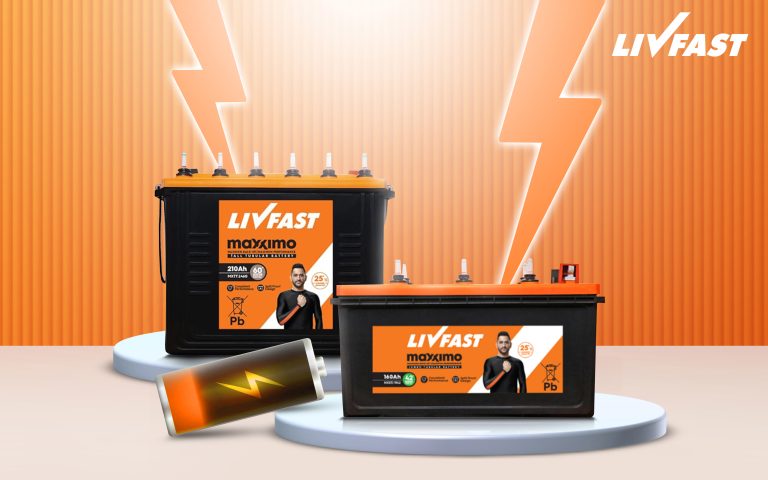
Home 6 Key Factors That Can Influence Your Inverter Battery Life by Whether you live in a multi-storied apartment or a cosy cottage in a suburban area, a power cut can put your life on hold. From missing your deadline to ruining the live stream of your favourite cricket match, power cuts are really inconvenient and can hamper everyday work. However, with the advanced technologies and innovative inverters at your disposal, you can say goodbye to power loss during power cuts. One question that stays in everyone’s mind is how long does a inverter battery last. Short answer: an inverter battery’s life is dependent on a wide range of factors. Keep reading to learn about this subject and know the different factors that can affect your inverter battery life. 6 Factors That Can Determine Your Inverter Battery Life In general, you should change your inverter battery in 3-5 years. From the type of battery to proper care, there are multiple factors influencing the life and optimal performance of your battery. Different Battery Types Gel Batteries: Known for their spill-proof design and high safety standards. Gel batteries use gelified electrolytes to produce energy and can last up to 4 years. Lithium-ion Batteries: These are the batteries that offer maximum performance while maintaining longevity. While they can be a costly affair, they offer a long lifespan of around 7 years, minimal care and a lightweight option. Lead-Acid Batteries: They are one of the most popular choices of batteries. Lead-acid batteries offer great performance at affordable prices. While tubular lead-acid batteries offer 4-6 years of performance with minimal care, flat plate batteries can last only 3 years and require regular water replacement and cleaning. Frequency of Power Cuts If you are in an area with a high frequency of power cuts for long durations, the life of an inverter battery in your house can be reduced by a fair margin. Longer duration usage leaves less time for the battery to get fully charged. Maintenance One of the key factors that determines how long can an inverter last, is its care and maintenance. If you take care of it, a good battery can offer optimal performance in the long term. This includes regular cleaning, inspections and any damage repair. Depth of Discharge DoD, or depth of discharge, refers to the amount of battery that is used at every cycle. The deeper the charge, the more load it can put on the battery, causing wear and tear. This reduces the lifespan of the battery but offers better performance. Inverter Efficiency Incompatible inverters can cause not only a waste of energy but also damage to your battery life. Inverters that require extra power will drain your battery quicker, placing more burden on it. Simultaneously, it can cause high heat that can damage the chemical degradation of the battery. Weather Conditions Harsh weather conditions, such as extreme heat or increased moisture, can really hamper your inverter battery life. For instance, during extreme summer, the rise in temperature can cause batteries to overheat and degrade much faster. Similarly, in winter or heavy moisture areas, the chances of optimal performance can reduce drastically. Tips to Help You Improve Your Inverter Battery Life If you are stressed after reading the list of factors that can affect your inverter battery life, then worry not. With some smart habits, safety measures and quick installation tips, you can improve how long do inverter batteries last: Proper Installation Ensuring a safe and proper installation process can do wonders for the life span of the inverter battery. Take the help of a professional to maintain a safe and secure installation process. Use compatible and high-quality wiring. Ensure proper grounding to reduce any short circuit or overload issues. Choose a well-ventilated area for your inverter and battery storage. Keep it away from direct sunlight, heavy moisture and heavy traffic areas in your house. Regular Maintenance Once you have installed the battery and started enjoying the benefits of an inverter battery, it is key to ensure regular care and cleaning of the battery. Once or twice a week, dust your battery with a clean, soft cloth to avoid the accumulation of dirt or oil. Regularly check the terminals and connections to avoid poor connectivity and a short circuit. Clean terminals to avoid the collection of corrosion. You can apply battery lubricant to prevent rusting. Check if your battery needs water refilling every 2-3 months. Inspect for any cracks, leaks or dents on the battery. Avoid Deep Discharge If you can, avoid letting the battery run out completely. In case of long power cuts, you can turn off heavy appliances such as AC, washing machines and TV to preserve power and load on the battery. Follow Through on Any Battery Warnings If your inverter is showcasing any battery issues or maintenance warnings on the screen, make sure to get it checked immediately. Running a damaged battery can make the issue worse and cause damage to your inverter, too. Conclusion Now that you know the factors that can impact your inverter battery life will help you preserve your battery for a longer lifespan. However, it is advised to get your battery checked for replacement every 4-5 years based on its usage, weather, area, etc. Power inverters have revolutionised our daily lives and helped us enjoy efficient power 24/7. While a high-quality inverter battery has a long lifespan, maintaining proper care and inspection will provide optimal performance. Related Blogs How to Charge Inverter Battery Inverter Battery Health Check Replace Inverter Battery Guide Flat Plate vs Tubular Battery Modern Inverter Battery Safety Inverter Battery Backup Systems Lithium-Ion Inverter Battery Lead Acid vs Lithium Ion Battery What is a Tubular Battery Inverter Battery Capacity Guide FAQ’s General How do I know if my battery needs replacement? Your inverter battery might need replacement if it’s showing signs such as reduced backup time, delayed charging, too much heat or any leakage. Is this Helpful? What to do if the water level of my
The Only Inverter Buying Guide You’ll Ever Need
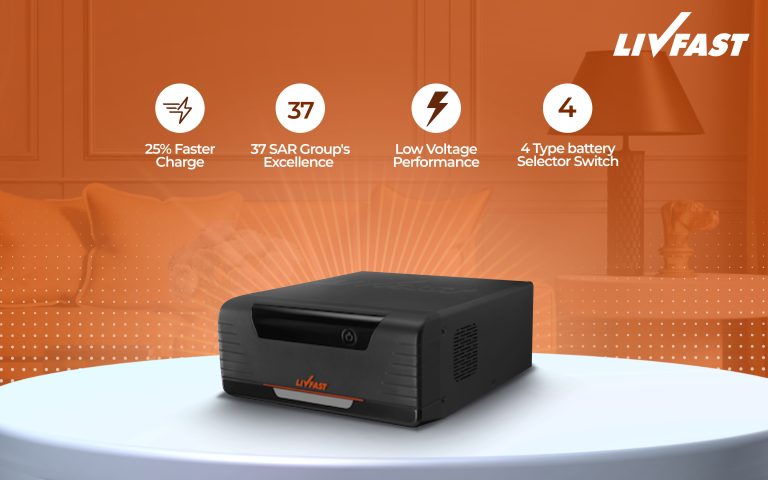
Home The Only Inverter Buying Guide You’ll Ever Need by We all find power cuts frustrating, especially when we are dealing with sweltering summers or freezing winters. Unexpected outages can keep us in the dark (literally!) and stop our online tasks, appliances, and whatnot. Inverters are an invention that helps humanity deal with such scenarios with ease. Which inverter to choose as your personal power savior that can keep all important things running smoothly is a question that arises. A right home inverter buying guide eases up the brainstorming. This power inverter buying guide walks you through everything you need to know before buying an inverter for home or workspace. Read on to explore the key inverter buying tips. Why Do You Need an Inverter? We are all no fans of frequent power cuts as they take away the basic need for a fan. Instances apart, they simply disorient daily life. Inverters are lifesaving backup power solutions. They are designed to store electricity and supply it to your appliances later when there are power cuts or grid failures. These appliances are – Noiseless Low-maintenance Eco-friendly But to choose the right one, you need to understand a few things. Further sections have a step-by-step inverter buying guide for home any other place where you would need an inverter. Step 1: Know Your Power Requirements First things first, you have to calculate your total power consumption during an outage. Let us see how:Make a list of appliances you want to run when the power goes out and sum up their wattages. Appliance Power (Watts) 2 Tube Lights 60 1 Ceiling Fan 70 2 CFL Bulbs 40 Total 170 W Step 2: Understand Inverter Battery Basics The inverter is just one part of the system. There is a inverter battery also involved where the main action happens. So, you need to know a few things there: The battery capacity, which is given in Ampere-Hour (Ah). It shows how long your inverter can run the appliances. You can calculate the battery size as follows: Backup time (in hours) × Power requirement (in watts) = Watt-hours Convert Watt-hours to Ah using: Ah = (Watt-hours / Battery Voltage) See this example: If you need 170 watts for 6 hours, you will need roughly a 150 Ah battery (assuming 12V). Step 3: Choose the Right Inverter Capacity (VA Rating) Now, you can calculate the VA rating of your inverter, which is inverter capacity. Use this formula: VA = Power Requirement (Watts) ÷ Power Factor Note: The Power Factor for homes is typically 0.7 to 0.8 See this Example: VA = 170 W ÷ 0.7 = ~243 VA Round it up to 250 VA to avoid overloads. Tip: Always pick an inverter with a slightly higher capacity than your actual need for longer life and better performance. Step 4: Square Wave vs. Pure Sine Wave Inverters Type Description Best For Square Wave Basic, budget-friendly Basic appliances only Pure Sine Wave Smooth, stable power, safer TVs, refrigerators, PCs Tip: Always opt for Sine Wave inverters ifyou want to protect sensitive electronics and ensure higher efficiency. Step 5: Match Inverter Size to Home Type This quick cheat sheet will help you match your home with the right invertersetup: Home Type Inverter Capacity Battery Capacity Appliances Covered Small Apartment 250 VA 100 Ah Lights, fan, TV Medium Home 500 VA 150–200 Ah Refrigerator, multiple fans, lights Large Home 800–1000 VA 200 Ah or more Water pumps, A/Cs, refrigerators, multiple rooms Bonus Tip: Check Home Wiring Compatibility Source: Freepik Before finalizing your inverter, check your home’s wiring. They must be compatible with an inverter setup. Improper or non-suitable wiring can damage your appliances and your inverter as well. Get expert consultations to help with installation and compatibility checks. Why Choose Livfast Inverters? At Livfast, we believe that power should never slow you down. That is the reason why our inverters are built to charge up to 25% faster. This extra speed ensures less downtime and more reliability when you need it the most. After all, Faster Hai Toh Hai! Smart Inverters for Smarter Homes Our inverters are power backups powered by Artificial Intelligence for seamless energy efficiency. With smart charging, optimized performance, and intelligent features, we make sure your inverter is always ready so you never miss a beat. What Makes Our Inverters Stand Out: Advanced Micro-Controller-BasedDesign Low Voltage Charging High Load Carrying Capacity Extra Backup During Outages Maximum Safety Auto reset Battery overcharge and deepdischarge protection Reverse polarity alerts MCB protection Fault display Our Range of Inverters An inverter purchase guide is incomplete if it does not mention the best options. At Livfast, we have two types of inverters basically: 1. Flashcharge – Sine Wave Inverters The Flashcharge series is designed with pure sine wave technology. They offer smooth, silent, and efficient power delivery that is ideal for running sensitive and high-end appliances at home. Available Models: Model Name Capacity Voltage Technology Warranty FCS1725 1500 VA 24V Pure Sine Wave 36 Months FCS1625 1500 VA 12V Pure Sine Wave 36 Months FCS1125+ 900 VA 12V Pure Sine Wave 36 Months 2. Bolt – Square Wave Inverters The Bolt series is for those who need reliable backup at an affordable price. They offerthe best of both worlds with square wave technology, dependable performance, and essential safety features. Available Model: Model Name Capacity Voltage Technology Warranty Bolt 600VA 600 VA 12V Square Wave 36 Months No matter what size your place is, we have a suitable inverter that will align with yourlifestyle and power needs. You can now enjoy faster charging, smart controls, and robust protection with Livfastinverters. Wrapping Up Now that you have gone through the inverter buying guide, you are free to speculate and make your own decisions. Because buying the right inverter doesn’t have to be confusing. Have these pointers on your tips: Know your power needs Choose the correct inverter and battery size Pick the right type for the best safety and performance Match your system to your