


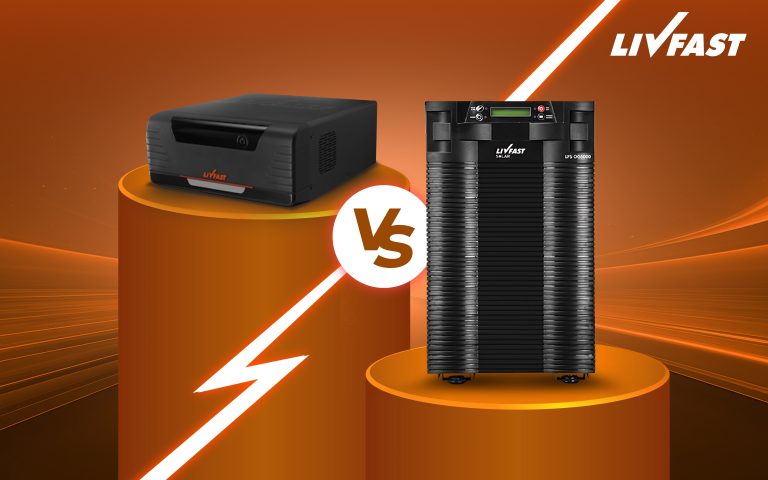
How Solar Inverters Differ from Regular Inverters
Home How Solar Inverters Differ from Regular Inverters by Different types of inverters come with their own specifics. They all have their own designs to quietly keep our places and gadgets running. Think about solar power. Chances are, you will come across solar inverters. And if you own a UPS or battery-backed inverter, that is a regular inverter. The difference between solar inverter and regular inverter is not just in the name. The two types are far apart in many aspects: Different energy sources Different goals Ways of working Read on to learn the actual solar inverter vs regular inverter comparison in simple terms for utmost clarity. The Core Difference: Solar Inverter vs Regular Inverter At the heart, both types do the same thing: convert DC to AC. But here is the twist: Solar inverter: The DC comes from solar panels. This input is not steady, and it changes every minute depending on the sunlight. Regular inverter: The DC comes from a battery. This voltage is reasonably stable until the battery drains. Therefore, a solar inverter pursues the sun, and a regular inverter obeys the battery. A quick solar inverter vs regular inverter comparison: Aspect Solar Inverter Regular Inverter Primary DC source Solar panels (variable) Battery bank (steady) MPPT Always included — finds the maximum power point Not present Grid export / net-metering Can feed surplus into the grid Cannot Monitoring Advanced: app, Wi-Fi, graphs Basic: LED or alarm Safety Anti-islanding, earth-fault, arc-fault Minimal, relies on fuses Efficiency 97–98% 90–95% Lifespan 10–25 years 5–15 years Typical use Rooftop solar, hybrid systems Emergency backup, UPS, small appliances Notice the pattern? A solar inverter thinks, talks, and adapts. A regular inverter simply does its job quietly. Why Solar Inverters Are “Smart Grid” Devices There are several features in solar inverters that regular inverters simply do not need: MPPT (Maximum Power Point Tracking): Constantly searches for the most efficient energy harvest from solar panels. Grid safety: They shut down instantly if the grid goes down, a lifesaver for utility workers. Exporting energy: Excess solar can spin your meter backwards, saving money. Monitoring: Built-in apps track energy, show fault codes, and even update firmware remotely. Protection systems: Earth-fault and arc-fault protections keep your home and panels safe. A solar inverter acts no lesser than a mini control centre coordinating your rooftop power, your battery, and the grid. Regular Inverters: The Battery Slaves A regular inverter does not need to worry about sunshine, grids, or apps. Its life is simpler: Convert stored DC into AC when needed. Keep lights, fans, and appliances running during a blackout. Charge the battery when the grid is back. They are reliable and perfect for emergencies or areas with unstable power. But do not expect fancy monitoring or grid export features. Solar Inverter vs Regular Inverter: Fundamental Differences in Practice Feature Solar Regular Input source Panels (variable) Batteries (steady) Smart optimisation Yes (MPPT) No Grid sync Yes No Outdoor durability IP65, cooling, coating Usually indoor, simple box Real-world lifespan 10–25 yrs 5–15 yrs So, when choosing, it is simple: if your source is the sun, go solar. If your source is a battery, go regular. Real-World Instances Solar Inverters 2–5 kVA, 24/48 V battery bus, 50 A MPPT, 98% efficiency: Perfect for 3-BHK homes, net-metering, and small AC loads. 1.5 kVA sine-wave, fast charging, supports external MPPT: Ideal for small shops running lights, CCTV, and billing systems. 5 kVA, grid-tie + off-grid selectable, IP65 enclosure: Powers farmhouse pumps, household loads, and exports surplus. Regular (Battery-only) Inverters 900 VA–2 kVA, pure sine, fast charge: Keeps fans, lights, and TV running during evening cuts. 1.1 kVA square-wave, budget-friendly: Powers small shops with basic appliances. 3 kVA, 48 V, 4-stage charging: Great for clinics or larger battery banks. Conclusion Solar inverter vs regular inverter is clear in the blog. The former is an intelligent option that is grid-friendly. The latter is a reliable option that is battery-driven. So, you must always go for: A solar inverter – to maximise renewable energy and monitor everything from your phone. A regular inverter – for simple backup power for a home or a small business, without any fancy extras. So, select the right inverter as you can save money and improve efficiency. Related Blogs Advantages of Solar Panels Solar Inverter Installation Benefits How Solar Panels Work? What Is a Solar Inverter? FAQ’s General Can a regular inverter work with solar panels? The important components of a solar power system include: Core energy components: Solar panels and battery storage Inverter system components: Power inverter unit, cooling fan, protective circuits, and monitoring system Supporting system components: Charge controller and switches, and wiring How long do solar inverters last compared to regular inverters? The life of solar inverters lies between 10-25 years. Here, the type (string vs micro) counts. Regular inverter models usually last 5-15 years. Are solar inverters more expensive than regular inverters? Indeed. Regular inverters cost 10–15% of a battery backup system, but solar inverters often cost 25–30% of the entire solar system. Can a solar inverter work during a power cut? Yes, but only if it is a hybrid solar inverter with a battery or energy storage. Grid-tied solar inverters without storage will shut down during outages for safety reasons. Do solar inverters require more maintenance than regular inverters? Not really. Modern solar inverters are mostly maintenance-free. Just keep panels clean and ensure the system is monitored. Regular inverters are also low-maintenance but need periodic battery checks. Is maintenance different when comparing a solar inverter vs normal inverter? Yes. Solar inverters usually require minimal maintenance apart from keeping panels clean. Normal inverters need periodic battery checks, water refilling (for tubular batteries), and basic cleaning. Can a regular inverter work with solar panels? The important components of a solar power system include: Core energy components: Solar panels and battery storage Inverter system components: Power inverter unit, cooling fan, protective circuits, and monitoring system Supporting system components: Charge controller and switches, and wiring How long do solar
How to Tell the Difference between On-grid, Off-grid, and Hybrid Inverters
Home How to Tell the Difference between On-grid, Off-grid, and Hybrid Inverters by With increased awareness about climate change, everyone is looking for planet-friendly options to eco-optimize their household. Sustainable power solutions are good for our world as well as our pockets. Easy to install, they reduce our carbon footprint by a margin and have high long-term returns on investment. However, choosing from the various solar inverter types can feel overwhelming, especially without a clear understanding of how they function. The wide range of types of solar inverters available in the market often leaves homeowners confused about what suits their needs best. In this blog, we’ll simplify the decision-making process by explaining the types of inverters for solar from the ground up. We’ll also clarify the difference between on grid off grid and hybrid solar system, helping you compare performance, cost, and usability before making a purchase. Understanding the Basics of Solar Inverters As promised, let’s start from the beginning. The primary function of an inverter is to convert the DC charge generated by the solar panels into AC electricity. The raw solar power from the panels is of exponentially higher voltage than that we use in household appliances. The inverter’s job is to match the voltage of the power coming from panels with that of the electricity grid. Your location, the electricity cost, and the frequency of power outages in your area are the first things to be factored in when deciding on a suitable power backup or energy system. Here’s why: Location: The amount of sunlight received by solar panels differs between regions. A high solar output reduces battery dependency, while a low solar output increases the same. Electricity Cost: If you live in areas with high electricity costs, investment in an inverter with smart battery options is a profitable thing to do. For example, a hybrid inverter sends back surplus energy from the battery to the utility grid. The excess units are adjusted in your monthly electric bill. Subsequently, if the electricity cost is lower, an inverter that fulfils your needs is adequate. Frequency of Power Outage: Certain solar inverters depend on the electrical grid system to operate, while some can function independently. If your area experiences frequent power outages, an inverter independent of connection to the utility grid is the practical choice. Choosing the Best System for Your Needs Having a grip on the difference between solar inverters precedes a quality purchase decision. Here’s what you need to know about types of solar inverters: On-Grid System Commonly known as the “Grid-tie” system, this type of inverter draws DC power from solar panels and converts it into AC power to be fed into homes. Connection to the electricity grid is central to how on-grid inverters work: To synchronise the voltage and frequency of the AC output to match the grid. To safely feed the excess solar power to the grid This type of solar system, thus, cannot operate in case of a power outage. Due to connection to the utility grid, any excess energy generated by the panels is fed to the grid, earning net metering credits. Alternatively, at night or during periods of low sunlight, the grid compensates for the power demand. Pros Cost-effective Easy to install and maintain No additional investment required for battery backup Excess energy directed to the grid reaps credit Cons Unsuitable for areas with frequent power cuts Cannot supply power during the night Off-Grid System Equipped with battery banks to store excess energy from solar panels, this type of solar system operates independent of the main grid. Charge controllers to regulate the voltage and frequency of power being fed into the battery are fundamental to how off-grid inverters work. Functioning similar to the electrical grid, they limit overcharging of the backup system for battery health. Energy from the inverter satisfies the household demand as well as supplies stored power when the panels don’t generate electricity. Pros Shields against grid failures or power outages Self-reliant, it does not depend on the electricity grid Best suited for rural areas Cons Rendered useless in the absence of power generation from panels More expensive than an On-grid system Battery banks have a high carbon footprint Hybrid System A combination of both the on-grid and off-grid systems, this type of solar system is built with the best of both worlds. Along with a connection to the main electrical grid, it also comes with battery backup for energy conservation. Advantages of hybrid inverters lie in their duality of operation. Alternately known as the “Grid-Interactive System”, it’s an advanced device that functions as an off-grid system during power interruptions. When the power comes back on, it automatically switches to acting as an on-grid system. The hybrid system is best suited for giant commercial projects or businesses. Pros Battery backup and credit from surplus energy Maintains an uninterrupted energy supply Can satisfy heavy load demands Cons Expensive High maintenance Only profitable as a long-term investment Best Livfast Offerings of Solar Inverters with Superior Features When selecting from a vast array of options, a critical understanding of the application and dependability of the different types of solar inverters helps one make the most informed choice. Here are some Livfast models that can serve you best: Solar Grid Interactive Inverter LFS103GIS Fitted with state-of-the-art MPPT (Maximum Power Point Tracking) technology, the LFS103GIS extracts maximum DC power from your solar panels. It facilitates optimum energy consumption while guaranteeing surplus sales to the grid. Capacity: 3 KW – 1 Ph Maximum Recommended PV Power: 4100 W Maximum DC Voltage: 550 V Startup Voltage: 70 V Feature Highlight: Overload Capacity Built to maintain stable, undisturbed flow, Livfast grid-interactive inverters provide overload capacities that are equipped to handle sudden spikes in the load or heavy voltage fluctuations. Solar Grid Interactive Hybrid Inverter LFS105GIH Combining a grid-interactive inverter and battery backup system to allow for a continued energy supply during outages or cloudy weather, the LFS105GIH is an intensive power converter for reliable energy. Capacity:
Types of Solar Panels
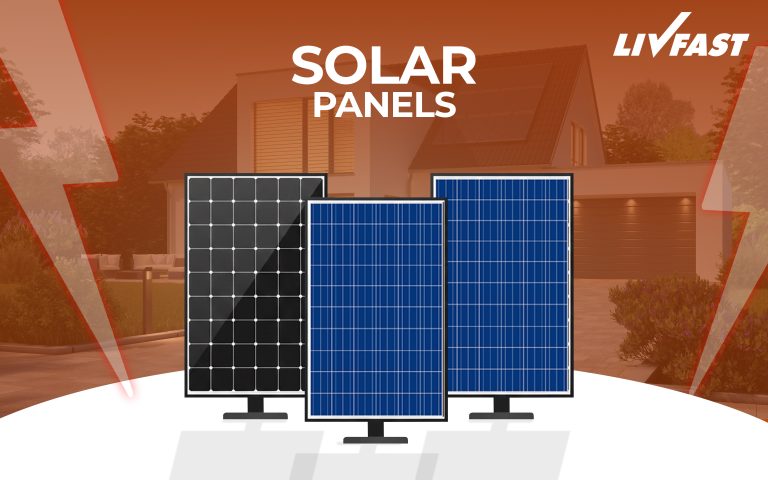
Home Types of Solar Panels by Are you a lazy shopper? The numerous options leave you more confused rather than getting excited over the variety. We understand the dilemma and your wish for someone to just tell you the best option. Since every requirement is unique, the solution will be unique too. In your hunt for the best solar panels for home and commercial places, understanding the types of solar panels available can make decision-making easier. To help you navigate the many solar panel varieties, we extend our hand by introducing you to the most common solar panel types. Adding to it, we will also help you figure out the suitable option for your specific needs. So, let’s begin offering you the solutions. Understanding Solar Panels While you might know it, let us give a brief introduction. The light from the sun that shines every day can be captured to generate electricity using different types of solar panel. This task is performed by solar panels. It is the device that captures the sunlight to generate DC power. The power is stored in the battery and converter into AC form to run the household appliances. Now, the solar panels are made of solar cells. These are the small units arranged in a grid-like pattern and together form the solar panel. The key aspect of solar panels from Livfast is their IEC compliance. It means the systems designed to offer you clean energy meet the safety and performance standards set by the International Electrotechnical Commission (IEC). Types of Solar Panels The solar panels are classified into three generations based on materials and efficiency of the different types of solar panels. These include: First Generation Solar Panels These are the oldest and most established categories of photovoltaic technology. These include two types: Monocrystalline Solar Panels: They comprise a single and continuous crystal structure developed from high-purity silicon. These exhibit higher heat resistance and hence have the capability of functionality under high temperatures. Polycrystalline Solar Panels: These are produced by melting the silicon fragments, followed by moulding into square cells. They have lower heat resistance but are budget-friendly. Second Generation Solar Panels The solar cells belonging to this category are made of ultra-thin layers of photovoltaic compounds. Hence, these are cost-effective, flexible and lighter. They include: Thin-Film Solar Cells (TFSC): They are made of thin films of silicon, copper or cadmium placed over one another. They are easily produced and cheaper due to the requirement of less raw material for production. Amorphous Silicon Solar Cells: They are generally used in manufacturing pocket calculators and developed using a triple-layered technology. Third Generation Solar Panels These are the advanced solar panels that exhibit quality performance in laboratory settings. They are expected to have a major and positive influence on solar power generation capabilities. Biohybrid Solar Cell: These cells are a combination of organic biological components and inorganic materials. They are still in the research phase and offer a promising approach towards sustainability. Dye Sensitised Solar Cell: They use titanium oxide, which is the dye-coated semiconductor, for energy harvesting. They are expensive but exhibit good performance in low light. Concentrated PV Cell: These solar cells have exhibited the highest efficiency so far. It can be owed to the chosen material and design, which comprises curved mirror surfaces and lenses along with cooling systems. The mirror and lenses help increase the light intensity, which contributes to high efficiency. Perovskite Solar Panels: These are gaining popularity in the market owing to the ability to exhibit a high efficiency of 15%. Cadmium Telluride Solar Cell: These solar cells are characterised by low water requirements for production. However, they come with the disadvantage of being toxic if ingested or inhaled. Comparison of Solar Panels Below is a comparison highlighting types of solar panel and their efficiency, lifespan and applications: Types of Solar Panels Efficiency Lifespan Common Applications Monocrystalline solar panels ~20% 30 to 40 years Residences, streets, parks, commercial properties and others Polycrystalline solar panels ~16% 20 to 25 years Self-powered devices, solar farms, off-grid households and others Thin-film solar panels ~12% 10 to 20 years Rental properties, portable devices, vehicles and others Perovskite solar panels ~25 – 30% (experimental) 2.5 years Pilot installations, research labs and futuristic solar designs Concentrated PV cell ~41% More than 20 years Low cloud areas and large-scale solar farms Advantages of Solar Panels The advantages of different solar panels include: Monocrystalline solar panels offer a high efficiency rate and high lifetime value. Being durable and sleek in shape, they are a good option for commercial use. Polycrystalline solar panels come at a lower price, making them an affordable option for budget-conscious users. Also, their production leads to the generation of less waste. Thin-film amorphous silicon solar panels are also available at relatively low costs, provide flexible installation options and offer ease of production. Dye-sensitised solar cells exhibit good thermal resilience and generate electricity in low light. Perovskite solar panels are highly efficient, easy to produce and can be made in flexible shapes. Solar Panel Selection Guide The choice of solar panels depends on a variety of factors. These include: Efficiency The efficiency refers to the amount of sunlight that can be converted into a usable form of electricity. The higher the efficiency, the larger the capability to generate electricity from sunlight. The highest efficiency, among the options available in the market, can be achieved from monocrystalline solar panels. Return on Investment The solar panels help save electricity bills by lowering dependence on grid electricity. Over time, the savings offset the initial cost of panels and installation. The payback period and cost per watt (the price you pay for each watt of solar capacity) help determine the long-term financial value of your solar investment. Lifespan The solar panel buying and installation is a high investment. Hence, the choice should be the one that lasts for multiple years. Do check the warranty along with associated terms and conditions from the manufacturer before making a choice. Brand
High-Capacity Inverters: Uses, Benefits, and How They Work
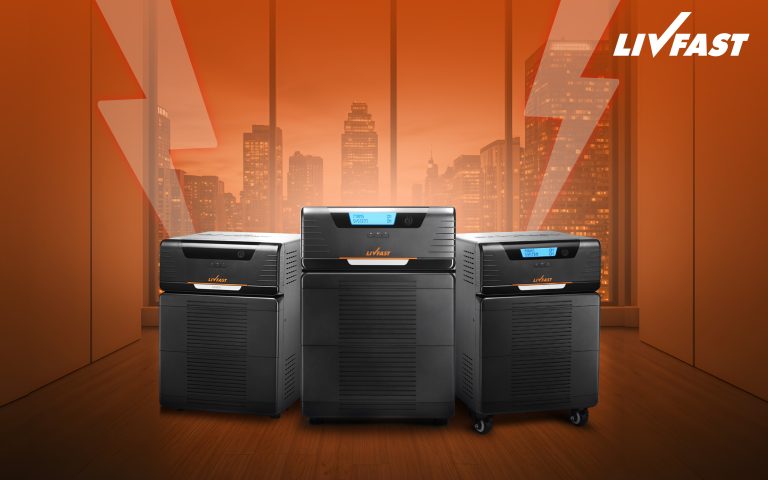
Home High-Capacity Inverters: Uses, Benefits, and How They Work by Have you already tried the regular inverters and still can not find the device that can fulfil your needs? If your power requirements are more than those of regular households or commercial areas, then it’s not the regular inverter that is at fault. It’s the lack of right suggestions! The high-capacity inverters are the ones that you need. They can deliver high power output and offer you an unhindered electric supply in scenarios of power outages. If you are new to the term or exploring its relevancy for you, we have the answers. Let us help you understand. What is a High-Capacity Inverter? An inverter is a device that converts DC electricity (generated by a solar panel or stored in a battery) into a usable form of energy, which is AC. While the regular inverter can offer output enough to power general electricity requirements, the high-capacity inverters are designed to provide larger output. It can handle heavy electrical loads and is used in applications with high power consumption. Commonly used appliances that high-capacity inverters can power include: Residential areas: Washing machines, air conditioners, and refrigerators Commercial areas: Solar systems, wind turbines, and heavy-duty machinery These inverters work in combination with larger battery banks to provide longer backup during power outages. Comparing Regular Inverter and High-Capacity Inverter Let us clarify the difference with a comparison table: Factors Regular Inverter High-Capacity Inverter Load capacity Low to moderate power needs High power needs Supported appliances Lights, fans and TV AC, refrigerator and pumps Backup duration Short to moderate Longer duration Power output stability Enough for normal residential uses Stable for sensitive or heavy-duty equipments Space requirement Compact Requires a large space Maintenance Comparatively easier with low cost requirements Requires professional expertise How to Calculate Inverter Capacity? The inverter capacity calculation requires finding the backup time of the battery. It involves using the following formula: Backup time (in hours) = Battery capacity (Ampere hours) * Battery voltage/ Total load (in watts) Let us understand this with an example. Battery capacity = 100 Ah Operating voltage = 12 V Total load on battery = 200 Watts Backup time = 6 hours (approximately) Besides the factors mentioned in the formula, the inverter efficiency also influences the battery backup time. Types of Power Inverters The power inverters can be classified based on output, source, type of load, PWM technique and number of output levels. Here are the insights into different types of power inverters: Based on the Output Characteristic Square Wave Inverter: Producing a square waveform, these inverters are simple in operation and the cheapest in cost. They produce noise during operation and are not suitable for sensitive electronic devices. These are better options for running only simple loads like basic lighting or fans. Sine Wave Inverter: This inverter generates a smooth and clean waveform, which is the same as the waveform received from the utility grid. It is the most advanced and compatible type of inverter option that can power all types of electronics. It includes running sensitive devices such as laptops, medical equipment and others. Modified Sine Wave Inverter: Also referred to as a stepped sine wave inverter, it produces a waveform that is a combination of sine and square wave. This inverter is more efficient than a square wave and can also run a large variety of devices. However, it is not suitable for sensitive electronic devices. Based on the Source of the Inverter Current Source Inverter: In this inverter, the input DC source is connected to an inductor to keep the input current stable. The output voltage here is controlled by adjusting the amount of current that flows to the load. It is used in heavy-duty applications such as adjustable speed drive systems. Voltage Source Inverter: It uses a direct DC source that stabilises the voltage supply for the inverter. Here, the output is controlled by changing the width of voltage pulses sent to the load. These inverters exhibit high efficiency compared to the Current Source Inverter. Based on Load Type Single-Phase Inverter: This inverter produces single-phase AC power output. It is a good option for low-power demand locations such as residential and small commercial locations. Three-Phase Inverter: This inverter produces three-phase AC power output and hence is a preferred option for commercial, industrial and large-scale utility applications. Based on the PWM Technique A Pulse Width Modulation (PWM) inverter converts DC power into AC by rapidly turning its switches on and off. It controls the output voltage and frequency by changing the width of these pulses. The result is a smoother and almost sinusoidal AC supply with fewer distortions. The PWM inverters find applications in UPS systems, motor drives and renewable energy systems. These inverters are of four types: single, multiple, sinusoidal and modified sinusoidal pulse with modulation. Based on the Number of Output Levels Regular Two-Level Inverter: This inverter is marked by the presence of only a voltage level at the output, which is positive peak and negative peak voltage. It may also have a zero-voltage level. Multilevel Inverter: This inverter has multiple voltage levels at the output. It is well-suited for high-power and high-voltage industrial applications. Benefits of a High-Capacity Inverter The high-capacity inverters offer the following advantages to the users: Long backup time: With their capability to provide high powers, these inverters can keep the systems and equipment running for a longer duration. Strong and durable: These inverters are designed to withstand long-term challenges, and resist multiple environmental conditions. Support heavy loads: The high-capacity inverters are constructed to meet the high power requirements, making them specifically useful for such power demands. Expandable: High-capacity inverters can be upscaled as per the increasing energy demands. Better system stability: These inverters are good at offering stable voltage and frequency even under changing loads. Final Thoughts The choice of a high-capacity inverter is well-suited for managing heavy loads. Capable of delivering longer backups and maintaining stable performance, they exhibit quality performance during fluctuations
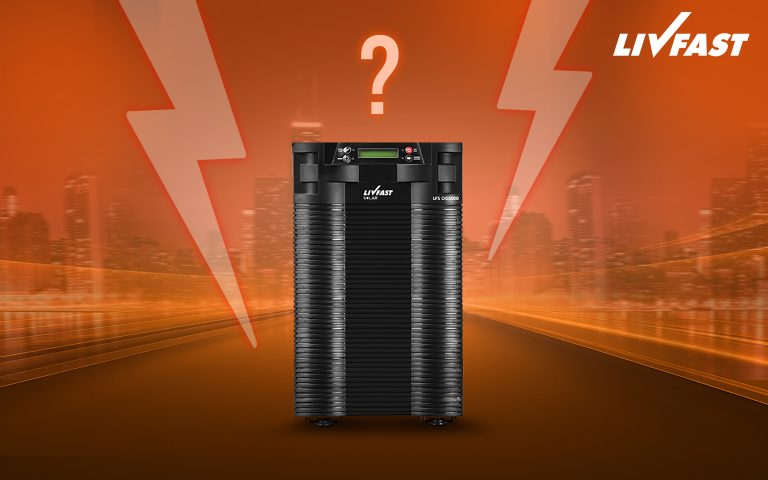
What Is a Solar Inverter?
Home What Is a Solar Inverter? by You have an inverter system already placed in your house, but installing a solar system requires an additional inverter. Is the recommendation leaving you confused? We will sort it for you. Regular inverter: It converts DC electricity into AC power Solar inverter: It performs the same function, but specifically for energy generated from solar panels. Unlike regular inverters, solar ones also manage solar energy flow, optimise power generation, and synchronise with the utility grid. These inverters ensure your home appliances receive clean electricity while offering other benefits. So, let’s break down what a solar inverter is and why it is essential for every solar setup. What is Solar Inverter? An inverter is the device that transforms DC electricity into AC to convert it into a usable form. A solar inverter is a device that is an important part of the solar power system. It converts the energy produced from solar panels, which is in DC form, to AC form to power the household appliances. The solar inverter is designed to handle the variable Direct Current (DC) electricity from solar panels. It also possesses smart features like grid-tie capability, which enables it to supply energy to the grid. How Solar Inverter Works? As mentioned, solar panels convert the electricity into a usable form for powering the household appliances. Here are the stepwise insights into how it works: Step 1: Sunlight strikes the solar panels The sunlight hits the photovoltaic (PV) modules in the solar panel. They absorb the sunlight and release electrons, generating Direct Current (DC) electricity. Step 2: DC electricity is stored The DC power produced by the panels is routed through connecting cables. It is either stored in the battery or transported to the solar inverter. At this stage, the energy is still not usable for standard appliances since most electrical systems operate on Alternating Current (AC). Step 3: Conversion from DC to AC The inverter comprises the right equipment (transformer) that converts the electricity into an AC waveform. The newly converted electricity can now be safely supplied to the household appliances. Note: Depending on the features of the solar inverter you have, it can also perform Maximum Power Point Tracking (MPPT). This intelligent function evaluates voltage and current from the panels and continuously adjusts them to extract the maximum possible power when sunlight intensity changes. Types of Solar Inverter Now, let’s get into the details of the variety of solar inverters. These are described below: Off-Grid Solar Inverters These are also referred to as stand-alone inverters and are designed for systems that operate independently of the utility grid. Instead of drawing power directly from solar panels, they take DC electricity from batteries that are charged through PV arrays. They also take electricity from alternative sources such as generators, hydro systems, or wind turbines. These inverters do not require anti-islanding protection and cannot export excess electricity. When to choose? The off-grid solar inverters are well-suited for use in remote locations or by users who prefer complete energy independence. Grid-Interactive Solar Inverters These inverters work in sync with the utility grid by matching the grid’s voltage, frequency, and waveform. They automatically shut down during the power outage to prevent back-feeding into the grid. The grid-connected systems may use different configurations depending on system size and design. The types include: Central inverters: These are extremely large inverters used for commercial purposes such as utility-scale solar farms or large-scale installations. These are suited for systems requiring hundreds of kilowatts of volume. String inverters: These are the oldest form and are commonly used inverters, finding applications in residential and business use. They are named so due to the presence of a string of solar panels attached to them. Microgrid inverters: These are small-sized inverters that can be installed at the back of panels. They can optimise individual solar panels, making them a beneficial addition in shady conditions. Is it for you? These inverters are ideal for homes and businesses that want to supply power to the grid. Hybrid Solar Inverters These inverters combine the capabilities of off-grid and grid-tied systems. They are designed to manage battery charging, supply power to the home, and export surplus energy to the grid. They prioritise charging the battery during the day and then feed excess power outward. During night or low solar days, the stored energy is used before switching to grid support. The hybrid inverters sync with the grid and hence require anti-islanding protection. Should you go with this option? These are preferred by residential and business owners who want energy independence while maximising their solar energy use and savings. Benefits of Solar Inverter There are numerous benefits of solar inverters, such as: Financial Benefits Reduces electricity bills: It helps generate one’s own electricity, which lowers dependence on the grid. It also significantly reduces monthly power costs. Offers energy credit: Choosing the grid-tied systems allows exporting surplus energy back to the grid. It helps earn credits that further reduce power costs. Energy Reliability and Performance Acts as a reliable power backup: It allows it to benefit from uninterrupted operations during power outages. It is highly useful for continuous energy requirements. Low maintenance: These devices come along with minimal maintenance requirements, easing their incorporation into busy lives. Environmental Benefits Lowers carbon footprint: The use of solar energy reduces dependence on fossil fuels, thus contributing to a greener Earth. Supports long-term sustainability goals: Generation of clean and renewable power helps households and businesses contribute to national and global clean-energy targets. Installation Advantage Small design: The solar inverters are designed to take up less space, making them suitable for indoor storage. It offers protection from environmental damage. Easy integration: Modern solar inverters can be easily added to existing solar panels without extensive rewiring. Conclusion A solar inverter is an essential component of a solar panel system that determines how efficiently the entire solar system performs. These inverters perform the basic function of converting DC electricity into a usable form, i.e., AC
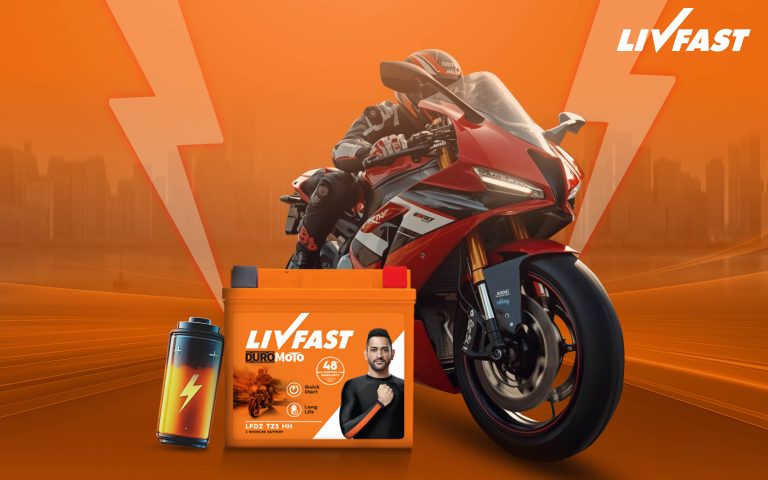
Maximizing Battery Life for Two-Wheeler Vehicles
Home Maximizing Battery Life for Two-Wheeler Vehicles by Maximizing Battery Life for Two-Wheeler Vehicles You would agree that the performance of your two-wheeler vehicle depends on how well the battery performs. Be it lithium-ion batteries for two wheeler or others— low, drained, dead batteries are simply big NOs that you want to avoid. There’s more to maintaining two two-wheeler battery life than plugging the charger in. Certain charging habits are crucial here in maximising the battery life, and so are some usage, storage, and safety practices. Shall we explore all these habits and practices to maximise the battery life of scooter in India in detail? Tips to Maximise the Life of Batteries for Two Wheeler Think about the scooter battery life and price – by prolonging the battery life, you can avoid the cost of getting a replacement. This perk is significant in addition to hassle-free riding. Here are some tips and practices to follow: 1. Avoid Accessory Overload Too many aftermarket lights, horns, or audio systems can drain the battery quickly. Follow Recommendations: Stick to the manufacturer’s recommended electrical limits. You should avoid adding multiple high-wattage devices. Use Energy-efficient Accessories: LED lights instead of halogens help reduce power draw. Turn off: Put off unnecessary electrical devices when the bike is not in use to prevent a drain. 2. Charging Habits The charging habits directly impact the well-being and lifespan of scooter battery. Here’s what to remember: Avoid Deep Discharges: Don’t let the two wheeler battery completely drain. Charge it when it’s at 20–30%, which will put less stress. Don’t Overcharge: Leaving the battery plugged for hours on end is not a good practice. Once charged, remove it from charging to avoid overheating and maximise the two-wheeler battery life. Partial Charges Could be Better: In contrast to other battery technologies, if you have lithium-ion batteries, they will last longer with partial charges. 3. Long-Term Storage Tips While your scooter is not operational, how you store the battery matters. Long-Term Storage: Store the two wheeler battery in a charged state of approximately 40–60%. This avoids deep discharge. Regular Checks: Batteries drain over time, even while in storage. Monitor the battery every 2 to 3 months and charge it up if necessary. Avoid Harsh Environments: Don’t park your scooter under direct sunlight for hours on end or in cold conditions. 4. Power Range Balancing In order to prolong the two-wheeler battery life and get the maximum out of the scooter battery cost, balance power usage. Regular Use: Batteries appreciate constant usage. Long idle periods weaken both lead-acid batteries and lithium-ion ones. A short weekly ride keeps it active and avoids deep discharge. Ride Smoothly: Refrain from sudden accelerations and aggressive braking, which lead to quick, high power consumption. Steady riding saves energy and lowers stress. 5. Routine Maintenance Checks Battery maintenance follows as naturally as two-wheeler maintenance. Check Connections: Look for corrosion or loose connection fittings on terminals and connections. Clean them with a dry cloth if necessary. Use petroleum jelly or terminal spray to protect connections. Check Tyres and Lubricate Parts: Properly inflated tyres are important for minimising rolling resistance and reducing the strain on the battery. Keep brakes, chains, and motors well-lubricated to enhance efficiency. Check Electrolyte Levels: For non-maintenance-free lead-acid batteries, keep an eye on electrolyte levels and top up with distilled water when needed. 6. Avoid Risks Two wheeler battery can be sensitive, and safety measures are crucial. Prevent Overheating: Try not to ride soon after charging, as the battery will still be warm. Any overheating can interfere with the two-wheeler battery life and, in extreme cases, can also lead to fire hazards. Don’t Drain Completely: Running below 10% battery often drives cells into stress and drives charging times longer. 7. Professional Battery Health Checks Compatible with your vehicle, you should arrange periodic professional checks for the battery to ensure optimal performance. Yearly Check-Ups: Get the battery inspected by a professional technician annually. Diagnostic Tests: Perform diagnostic tests by a professional to find any potential issues before they turn into major problems and reduce the two-wheeler battery life. Find Premium Two-Wheeler Batteries with Livfast Livfast’s two-wheeler batteries are designed for unmatched performance, durability, and reliability. Our batteries feature a sealed valve-regulated lead-acid (VRLA) design for enhanced quick cranking, stability, and safety. You can save time and effort with our maintenance-free batteries and enjoy your ride. The 24+24 warranty period on our batteries will further ensure long-term reliability and peace of mind. Get the best scooter battery cost with Livfast and enjoy smooth rides on the road! Conclusion Extending two-wheeler battery life is all about good practices. By maintaining some basic habits, be it the right storage tips or regular checks, you can prolong the battery life of your vehicle and save costs in the long run. Related Blogs Replace Scooter Battery GuideBest Bike Battery SelectionTypes of Automotive BatteriesBest Car or SUV Battery FAQ’s General Can fast charging repeatedly damage my two-wheeler battery? The life of batteries can be prolonged by regular maintenance, avoiding over-discharging, proper charging, and picking batteries appropriate to your environment. Is this Helpful? How do I avoid draining my two-wheeler battery too fast? Do not accelerate hard, minimise excess load carrying, and turn off the two-wheeler when unused. Riding at constant speeds also saves battery. Is this Helpful? Can I wash my two-wheeler without hurting the battery? Yes, you can, but ensure no water gets into the battery area when washing. Is this Helpful? Do I have to drain the two-wheeler battery completely before recharging? No. You do not have to let your two-wheeler battery go down fully before you charge it. Is this Helpful? Can fast charging repeatedly damage my two-wheeler battery? The life of batteries can be prolonged by regular maintenance, avoiding over-discharging, proper charging, and picking batteries appropriate to your environment. Is this Helpful? How do I avoid draining my two-wheeler battery too fast? Do not accelerate hard, minimise excess load carrying, and turn off the two-wheeler when unused. Riding at
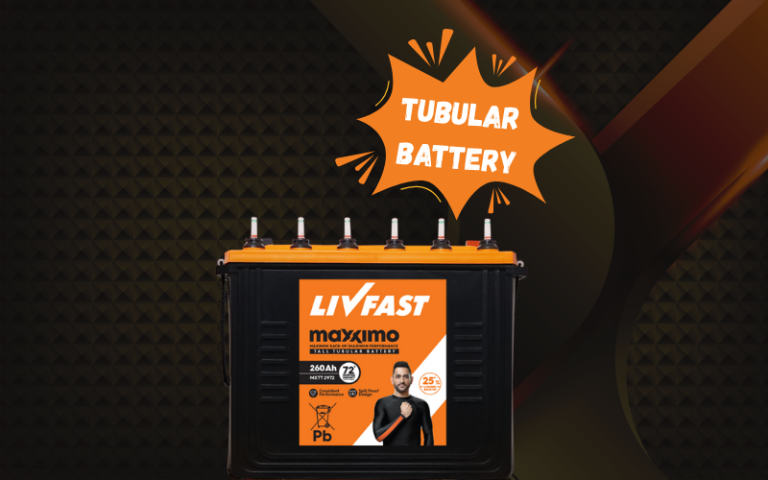
What is a Tubular Battery: Everything You Need to Know
Home What is a Tubular Battery: Everything You Need to Know by What is a Tubular Battery: Everything You Need to Know How many times have you ended up in a messy evening routine due to an uninvited power cut? If you are an Indian, the answer would be “twice or thrice in a week”. It interrupts your workflow, dims your productivity, and hampers your comfort. The inverters and batteries have been our relief backup system for years, and that is why they have become a household staple. With an inverter comes a battery, and there are a variety of battery options available today- which one should you choose? With changing lifestyles and habits, a tubular battery is becoming a popular choice, boasting a distinctive cylindrical design. When estimating a tubular battery vs normal battery, the former may also win the race with its excellent performance and advanced technology. Let’s learn what is tubular battery is and why it is considered a superior choice. Understanding the Basics of a Tubular Battery A tubular battery is known for its special design and construction, including tubular plates made of lead dioxide. It has a number of interconnected tubes in a series, which store and discharge energy efficiently. The tubular plates used in them increase the surface area for chemical reactions, which enhances the longevity and efficiency of the battery. They have electrolytes as sulfuric acid, which maintains the chemical process during the discharging and charging process. These inverter batteries are commonly used for applications that require lasting and reliable usage, for example, telecommunications, renewable energy systems, and industrial power backup solutions. Types of Tubular Battery While every tubular battery can share similar structure and design principles, you can find them in different sizes, capacities, and even maintenance capacities. They can be classified into two main types, including: 1. Short Tubular Battery: These have a compact size and appear small in their construction. This is what makes them best for areas that have limited space. With its smaller power capacity, it may give moderate backup time as compared to a tall tubular battery. You can install them conveniently and maintain them with ease. 2. Tall Tubular Battery As the name suggests, the tall tubular batteries are built with a large construction. The taller height means they occupy more space and are suited for larger areas in big households or offices. These types of tubular battery can carry more volume of electrolyte, increasing active materials, which in turn provides higher power backup. For homes and businesses that require higher energy or experience frequent power outages, these batteries offer dependable operation for years. Advantages of Tubular Batteries Understanding the tubular battery meaning translates to the benefits it offers. Here’s how these batteries are trusted for years: 1. Enhanced Durability: A tubular battery is manufactured using advanced engineering. The secret lies in its strong built and construction, where every component stands the test of time. With its resilient structural integrity, it does not go through wear and tear, unlike conventional batteries. Due to their great durability, a tubular battery last for yearly, mainly ranging between 5 to 12 years, which is much higher than normal batteries that stop performing in a few years. 2. Optimum Performance in Different Conditions: One of the best advantages of tubular battery is that they are versatile and adaptive. You can use them in varied environmental conditions, and they continue functioning well, offering robust performance. A tubular battery is less susceptible to changes in temperature. Therefore, you do not have to worry about power failures during extreme weather conditions. 3. Low Maintenance Yet Efficient: Who wants to babysit their batteries every day? Maintenance is something no one wants to get into, and tubular batteries are designed keeping the same in mind. They are highly low-maintenance and do not compromise on efficiency if you overlook them for some time, reducing frequent checks. With minimal care, these batteries can run for years without any financial burden. Tubular Battery vs Normal Battery: A Quick Comparison Features Tubular Battery Normal (Flat Plate) Battery Average Lifespan Typically lasts 4–5 years, with some advanced models extending up to 8 years. Usually lasts up to 3 years under standard conditions. Water Maintenance Low water loss due to efficient design, requiring less frequent topping-up. Frequent water refilling needed as they lose water faster. Cycle Life High cycle life, making it suitable for long-term and repeated charge–discharge cycles. Low cycle life, limiting overall durability. Performance in Heat Performs consistently even at high temperatures, ideal for Indian weather. Performance drops in extreme temperatures. Application Type Designed for heavy-duty and high-end applications, including commercial use. Suitable only for basic home backup or light-duty use. Design Complexity Advanced construction with a tubular positive plate for better efficiency. Simpler design, easier to manufacture. Price Range Higher upfront cost, but offers greater long-term value. More affordable, best for budget-conscious buyers. Charging Speed Faster charging capability, enhancing productivity. Slower charging compared to tubular models. Reliability Highly reliable, ensuring steady power supply for demanding needs. Moderately reliable, adequate for short-duration usage. Recommended For Ideal for high productivity setups, offices, and areas with frequent power cuts. Recommended for small households with limited power needs. Approximate Cost (150 AH) Around ₹11,500 (varies by brand and model). Around ₹9,000 (varies by brand and model). Conclusion Whether you live in a remote area with fluctuating power or are looking for a dependable backup system for heavy usage, a tubular battery has proved to be a great match. Moreover, in a time when sustainability matters, they fit the mould with their green energy solution. Find a reliable battery solution on Livfast, offering advanced backup alternatives with versatile applications. Every battery comes with a defined warranty period, making purchases more long-term and reliable. Choose wisely, choose smartly! Related Blogs Flat Plate vs Tubular BatteryInverter Battery Life ExplainedInverter Battery Capacity GuideHow to Charge Inverter Battery FAQ’s General How can I choose the right tubular battery? There are a few things that you can
Why is Summer the Best Time to Switch to Solar Power?
Home Why is Summer the Best Time to Switch to Solar Power? by Why is Summer the Best Time to Switch to Solar Power? Indian summer is pretty harsh and rough. Especially in regions like Delhi, Chennai and Rajasthan, where the maximum temperatures break all records. The longer days and no cloud cover can really seep away your hydration and energy. This almost unbearable Indian summer is perfect for installing solar power for home. Yes, it is unthinkable that this dry heat can be a source of relief in any shape or form. The increase in environmental concerns and frequent power cuts has forced many homeowners to look for healthy and renewable alternatives. Why is summer the ideal installation time? Apart from the shining sun, there are a range of reasons that support this argument. Key Reasons For Solar Panel Installation for Home This Summer If you are thinking of shifting to solar energy, this summer is the perfect time to do it. Here are some major reasons why you should opt for summer solar installation: Maximum Sunlight Means Maximum Energy In most Northern cities in India, the average day is around 14-15 hours during peak summer. This means little to no cloud cover and dry sunlight for a long duration. This gives the solar panels more than enough time to collect ample energy for conversion. Longer sunlight duration doesn’t cost you a single penny, but it produces much more energy for future use. The placement of your solar panels matters a lot during this season: As the sun is at a slightly higher angle for a long time, it is best to place your panels at a tilted angle to increase the effective surface area. A tilted angle will also adjust the sun’s position changes without any intervention. More Monetary Benefits Summer is the season when most Indian households have to bear the burden of higher electricity bills due to excess consumption. The hot weather requires you to operate all kinds of cooling appliances such as ACs and coolers. This can skyrocket your daily electricity charge. But, it also opens the opportunity to utilise more of the solar energy. The direct and prolonged sunlight means you can enjoy seamless and uninterrupted power for a long time. A solar energy system can cut down your summer electricity bills by 80 – 90%. It also reduces your dependence on the grid. Ideal Condition For System Testing The harsh summer is perfect for monitoring your system’s health and functioning. You can monitor how much energy your system can generate and at what pace. Plus, the constant and reliable sunlight allows you to check the system’s health and efficiency with ease. It also helps you understand your household’s power needs and plan your system accordingly next season. Ideal Installation Weather Setting up any energy system or large machinery requires ideal weather conditions. The dry and bright long days of summer allow you to install your system quicker and without any rain interruptions. You can check the system as you go for any changes. You can set up the foundation and base with utmost care without getting hurried by low light or rain. The installation team can work in a safe and secure environment without any threat. Government Subsidies Most state and city governments run solar energy campaigns and promotion drives during the summer. You can check any in your locality and earn several subsidies and financial help. You can get low-interest financial aid for installation from banks and institutions. If your area has net metering, you can enjoy extra rewards for transferring excess energy to the grid. You can create more energy in summer, meaning extra rewards and perks. Increased Property Value A structured solar energy system can help increase your property value. It can also attract higher bids and well-respected buyers. You can not only earn long-term benefits with the reduced electricity bills but also direct appreciation in the selling price. Here are some key reasons why solar energy homes often attract higher bids: Lower electricity bills from day one. No mess or hassle of installing the energy plant. A home with a solar energy system is a sign of good structure and foundation. Smart Installation Tips For Solar Power For Home Now, you understand the range of solar energy advantages in the month of summer. If you are planning to install your own energy system at home, here are some key factors to consider: Calculate Your Energy Requirements It is crucial to be accurate in your calculation of the required energy from the solar plant. This will help you find compatible solar inverters, panels and other key components. You can list down all the appliances you are planning to run on solar and calculate the total energy required. Access Your Potential After you have measured your needs, it’s time to assess your house and its solar potential. You can refer to a professional or look at the area and weather conditions to judge the potential of appropriate solar power for home. You can use several mapping tools to get an accurate idea of your surroundings and frequent cloud cover. The age and weight-bearing capacity of your roof. Solar panel installation requires a heavy foundation and a sturdy roof. A shaded area or large forest cover can prevent ample sunlight. Also, consider the legal guidelines and restrictions for your area. Conclusion Installing a solar energy system is a smart choice at the current time. You can save electricity with solar power and enjoy energy independence. However, buying the ideal components is equally important as the summer weather. Livfast brings you high-performance solar solutions. From a Pure Sine Wave solar inverter to durable solar panels, we have everything for a hassle-free solar installation. Each solar component is designed with cutting-edge technologies and advanced safety features for a secure operation at all times. Related Blogs Advantages of Solar Panels Do Solar Panels Work at Night Solar Inverter Installation Benefits Solar Grid-Interactive Systems FAQ’s
Types of Automotive Batteries
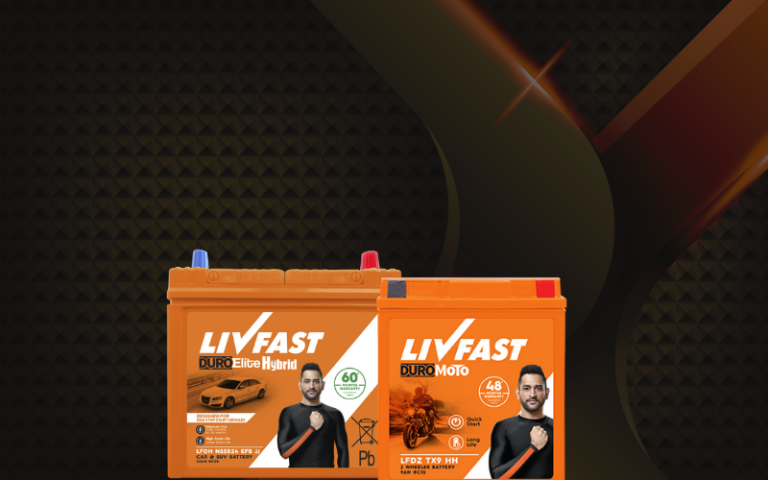
Home Types of Automotive Batteries by Types of Automotive Batteries Yes, it’s your vehicle’s engine that ignites it and gives it the power to run. But, do you know what fuels your flood lights, navigation, and indicators? It’s the soul of your vehicle – battery. This compact box of chemical reactions makes sure you enjoy a smooth ride through different terrains. From large transportation trucks to your scooty, a battery is a crucial component in every automobile. However, different vehicles require different types of automotive batteries. This guide will explain the key features of different automotive batteries and some smart tips to help you replace your old batteries with ease. Lithium-Ion Batteries The modern-day innovation and a power pack battery for the Electronic vehicles. The compact design and a high power-to-weight ratio make it a durable choice for automobiles. Light in weight, they offer high efficiency and minimal energy wastage. Most lithium-ion batteries come with a long lifespan of 8 – 10 years. These power-packed batteries require minimal maintenance and are easy to recycle. Lead-Acid Battery A popular choice for most vehicles, lead-acid batteries provide reliable power for starting, lighting, and ignition (SLI). It works on the principle of lead and lead oxide reaction within an electrolyte liquid. Heavy-duty performance and stable power supply for cars and buses. They are cost-effective but require regular maintenance for smooth performance. They often come with a lifespan of 3-5 years. VRLA Batteries VRLA batteries are also known as Valve-Regulated Lead-Acid Batteries. They are a type of lead-acid battery with some modifications. VRLA batteries are sealed and reduce the chances of any unforeseen incident. They are maintenance-free, meaning you don’t have to top them up with distilled water. Popularly used on bikes as they work well with limited ventilation. They have a lifespan of around 2-4 years. Livfast two-wheeler batteries come with a warranty period of 24 to 48 months. Absorbed Glass Mat Batteries This new-age battery is a type of VRLA battery. These batteries feature fibreglass separators, which help store the electrolyte in a dry state. This reduces the issue of spillage and leakage during unforeseen circumstances or under extreme environmental conditions. These come with a higher power capacity and can be used for recreational vehicles such as ATVs. AGM batteries are maintenance-free and offer protection against corrosion. They can offer high performance for around 5-7 years. How To Choose The Right Automotive Batteries Are you looking to replace your old automotive batteries? There are some key factors that you must consider to find the ideal fit for your ride. Know Your Vehicle Whether you are scrolling through types of car batteries or any other vehicle, always refer to the user manual to understand your vehicle. It will give you information about your vehicle’s specifications, including battery size and power requirements. You can cross-check all the battery specifications with the car’s requirements to find the perfect match. You can also take help from a professional or contact Livfast customer service to guide you through your battery replacement process. Choose the Right Ah Rating The Ah rating of a battery tells you how much electrical energy the battery can store. You must match the battery’s rating with your car’s or vehicle’s requirements. Livfast offers car batteries for a variety of Ah ratings from 35 to 65 Ah to suit different vehicles. A higher Ah rating that is compatible doesn’t give you extra power. In fact, it can reduce battery life and the car’s performance. A lower Ah rating will not be sufficient to power up all the functions and may get damaged due to higher demands. Battery Size To run smoothly in all kinds of conditions, every vehicle has an enclosed battery compartment. This ensures your battery doesn’t shake or be damaged during rough drives. Different types of vehicles have different standardised compartments. Check your required battery size and find the ideal fit. An ill-fitting battery will not fit properly and is prone to damage. All-Weather Performance If you live in extreme weather conditions or are an avid traveller, having a durable battery is necessary. Look for a battery with higher CCA (Cold Cranking Amps), as it can deal with sudden changes of temperature and extreme conditions. This factor is an essential one for the longevity of the battery. Warranty Livfast offers 24 to 48 months of warranty on their automotive batteries. The warranty period is important to avoid any post-sale issues. This reduces the stress for the buyer and keeps them carefree for a long period of time. Budget Different types of automotive batteries come at different price points. With new specifications and higher Ah ratings, the price can change for the desired battery. It is key to look for trusted brands and set a budget beforehand. A budget will ensure a valuable purchase and help reduce your search options. Conclusion Being aware of the key features and factors will help you find the ideal one for your ride. Livfast brings you trusted and authentic automotive batteries at the right prices. You can enjoy a durable build and a leak-proof design. Our batteries come with an assured warranty and maintenance-free performance. The higher cranking speed and added flame arrestors ensure you get high performance with utmost safety at all times. Enjoy high performance and high efficient power with Livfast automotive batteries. Related Blogs Best Car or SUV Battery Car Battery Replacement Signs Car Battery Life Tips Fixing a Dead Car Battery FAQ’s General What type of batteries are best suited for two-wheelers in the Indian climate? It’s the process of estimating how much power (in watts) your essential appliances will need during a blackout, so you choose an inverter that can safely support that load. Is this Helpful? Can I install new automotive batteries myself? While you can install batteries yourself, it is highly advised to seek help from a professional for a safe installation. Is this Helpful? How can I maintain my car batteries? Regular cleaning with a soft cloth will
Benefits of Installing a Solar Inverter for Your Home
Home Benefits of Installing a Solar Inverter for Your Home by Benefits of Installing a Solar Inverter for Your Home As of February 2025, India has installed a total of 102,566 megawatts of solar power generation capacity. With Rajasthan and Gujarat leading the chart in the top 6 renewable energy states, India is gaining a hold on the renewable energy scale in the country. Solar energy in a tropical country like India is a gift that must be cherished with both hands and by every home. This change not only means free electricity but also reduces the burden on Mother Earth in the long run. And, that’s always a big plus! However, every energy system requires its key components. A high-performance solar inverter is the backbone of every solar energy system. From converting stored energy to reliable backup, there are a range of benefits of solar inverter at home. Why Install Solar Inverter At Your Home Here are some solar inverter installation benefits that you can enjoy at your home: Maximise Energy Production Premium inverters offer over 90% efficiency, ensuring smooth performance and energy savings. The Pure Sine Wave also helps reduce the noise during the operation to a minimum and gives you a smooth working environment. It also ensures a clean power supply without any irregularities that prevent any short circuits with your appliances. Smart Monitoring System It is crucial to keep track of the smooth access to unlimited energy in your home. A solar inverter does that for you with zero interventions. Livfast’s RTC (Real Time Clock) Technology monitors your energy usage. Users can see the precise reports of solar watts per hour production. This system also allows you to keep a check on your inverter’s and energy system’s health with LED indicators. Connection With The Utility Grid If you are housing a heavy-duty energy system, chances are you are not using all the energy it produces on a daily or monthly basis. There are two types of solar inverters: on-grid and off-grid systems. The excess power or surplus energy is transferred to the utility grid to reduce energy wastage. If your area has net metering, then you can earn some credits from the government. This is why it is necessary to keep a track of the energy produced by your inverter. Safety Features Now, solar inverters are large and complex energy systems that require proper safety management in case of any unforeseen accidents. At Livfast, we design their solar inverter with advanced safety features and technologies. Over-Heat and Voltage Protection: In case of sudden power fluctuations or overload of any kind, inverters are equipped to auto shut down. This reduces the damage to the surroundings and to the solar energy system itself. LED Indicator: An LED monitor with an accurate display reduces any unforeseen incidents. The simple and easy-to-use display offers alarms, service period and battery charge to keep you prepared. The UPS Mode Many advanced solar inverters are powered with an in-built UPS mode that keeps your devices safe at all times. The UPS mode not only prevents the overload of energy to the heavy-duty appliances, such as AC or TV, but also ensures a smooth flow at all times. The UPS reduces the damage caused by sudden power surges and maintains the solar batteries and your devices’ long-term health. Renewable Power Backup One of the most important advantages of solar inverter for home is that it makes your home energy independent and stress-free. No matter the power cuts, you will always have a backup source of electricity that will let you finish your work and TV shows without hassle. On top of that, the total carbon emissions due to the fossil fuel industry have risen to 37.01 billion. Having your own clean source of energy helps you contribute to a greener Earth. Save Money Every Month With your solar energy system taking half of your burden of everyday energy, your monthly electricity bills are bound to come down. In fact, regular use of a solar inverter can reduce about 80-90% of your electricity bill. This amount can add up in the long run and save you a lot of money. In India, you can also get access to subsidies and rewards that can aid in the installation of the energy plant. Smart Installation Tips For Solar Inverters at Your Home Loose connections and improper installation can cause inefficient energy supply and unsafe working conditions. Here are some key installation tips that will ensure that you enjoy high performance from your solar power inverter for home: Well-ventilated and cool area is key for a secure and safe solar inverter installation. Look for areas with shade to prevent any rain or environmental damage. Wide spots and some distance from the back wall are advised for smooth ventilation at all times. Make sure that your solar panel and solar inverter are close to each other. This will reduce the excess cost of wiring, but also reduce energy wastage during transmission. Perform regular checkups for overload and loose wiring to prevent any unforeseen circumstances. Refer to a professional to offer you help during installation. Check that all the connections are secure and there is a smooth flow of energy at all times. Clean your inverter every other day to reduce dirt and grime buildup on the surface. Conclusion The multiple benefits of solar inverter can revolutionise your energy needs and consumption. Livfast solar inverters are powered with futuristic technologies and advanced safety features to ensure long-term performance. The Pure Sine Wave offers a noiseless operation, and the compact build keeps it storage-friendly for every Indian home. Plus, the evolved Livfast’s 50A fast charging controller reduces the waiting time to a minimum and lets you enjoy electricity on the go. Finally, Livfast offers a long-term warranty on solar inverters that will keep you stress-free. Related Blogs High-Efficiency Solar Inverter GuideSolar Management Unit BenefitsSolar Grid-Interactive SystemsAdvantages of Solar Panels FAQ’s General Do I need a professional to install my solar